4 hr 30 min
Tahiti Humpback Whale Watching Adventure
- Entry ticket
- Mobile voucher
- Valid same day
- Free cancellation
Tahiti Iti Whale Watching — Humpback Encounters off the Peninsula
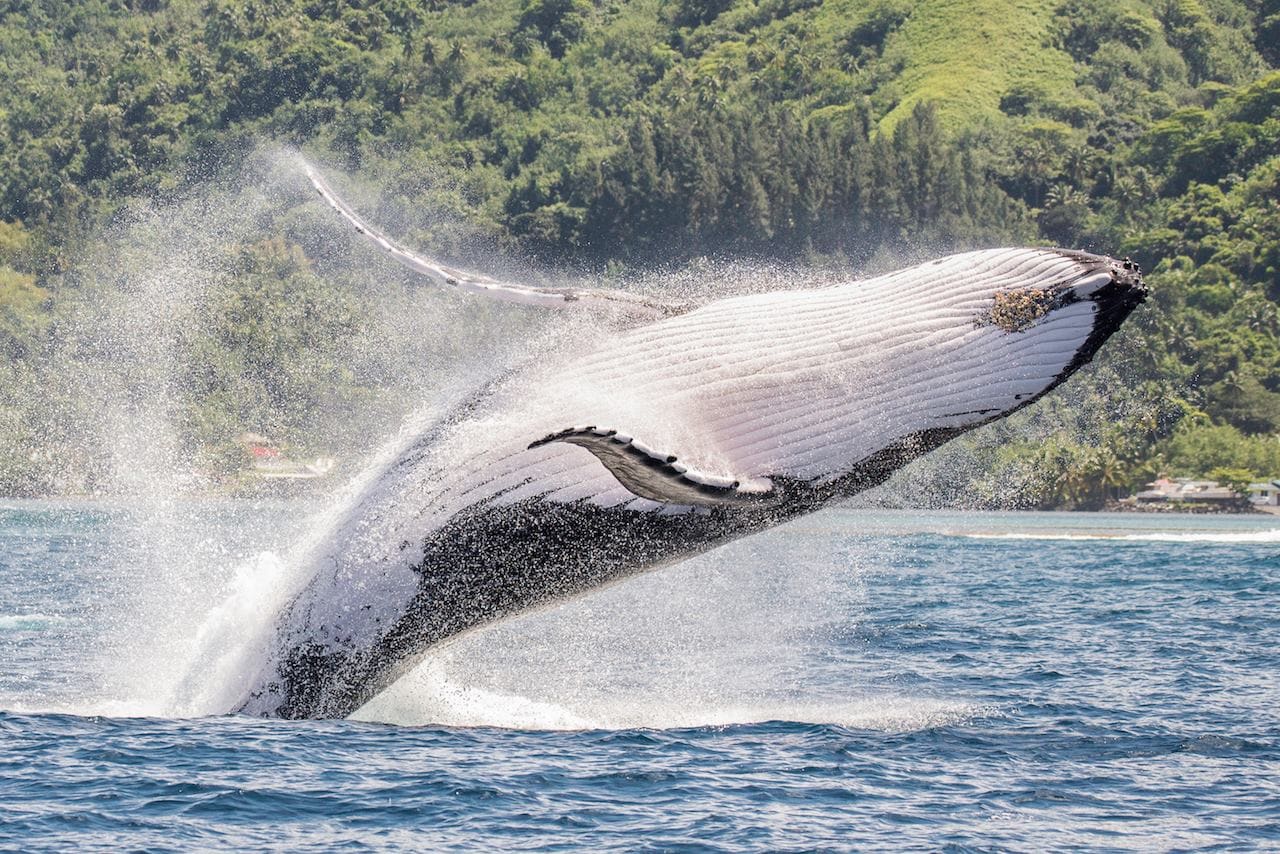
Deep water beyond the reef, a blow rising in morning calm.
Compare fares, pick the fit — all bookings are mobile-voucher and eligible for free cancellation where shown.
4 hr 30 min
5 hr
4 hr
Selecting the right tahiti iti whale watching experience depends on your preference for group size and the level of intimacy you desire during your encounter with these marine giants. Whether you choose a shared excursion or a private boat, our tahiti iti whale watching tours offer a regulated and respectful way to observe humpback whales in the Pacific.
| Shared Expedition 6–12 passengers, standard boat |
Top pick Private Charter Exclusive boat, custom focus |
|
|---|---|---|
| Group Size | 6–12 people per vessel | 1–5 people per vessel |
| In-Water Access | Allowed if conditions permit | Allowed if conditions permit |
| Hydrophone Usage | Included for listening | Included for listening |
| Duration | 3 to 4 hours | 3 to 4 hours |
| Best For | First-time visitors | Privacy seekers |
| See tickets & prices |
Verdict: For the most personalized experience, we recommend booking private tahiti iti whale watching tickets to enjoy dedicated time and flexibility on the water.
Worth it for patient wildlife travellers, not casual sightseers
Phaeton Bay itself costs nothing — entry is 0 XPF, and the only money changes hands with the boat operators, so tahiti iti whale watching is really a question of whether a licensed skipper is worth your morning. From the five bookable trips here — the Tahiti Humpback Whale Watching Adventure, Humpback Whale Watching Adventure in Tahiti, Intimate Humpback Whale Encounter, the Expedition, and the Whale Watching & Swim Experience — you get a small boat, a guide reading blows and breach patterns, and legal in-water access on the swim option. Humpbacks migrate from Antarctica to these warm Pacific breeding grounds, calving close to the reef pass, and a good guide finds them; a rental car cannot. Sightings are never guaranteed. If ticking a landmark off matters more than waiting quietly for a fluke, a Tahiti Peninsula coastal drive suits you better.
Bottom line: Book a Tahiti Iti humpback tour if you want a real wildlife encounter, and skip it if you need certainty.
The Tahiti Peninsula provides a more secluded marine encounter compared to the higher-volume Tahiti Nui whale watching tours. Most visitors who desire a quiet, personalized marine mammal experience prefer the boutique nature of the Tahiti Iti whale watching tour over the larger hubs.
|
Top pick Tahiti Iti |
Tahiti Nui | |
|---|---|---|
| Water congestion | Low/Minimal | High/Frequent |
| Vessel size | Small/Boutique | Large/Commercial |
| Interaction intimacy | Highly personal | Group-oriented |
| Travel time from Papeete | 90–120 minutes | 15–30 minutes |
| Ease of access to whale habitats | Direct/Coastal proximity | Open ocean transit required |
| Booking availability | Tahiti iti whale watching tickets | Tahiti nui whale watching tours |
| See tickets & prices |
Verdict: Choose the Tahiti Iti whale watching experience for reduced maritime traffic and intimacy, or select Tahiti Nui if proximity to the main island and faster transit times are your priority for securing tickets.
Hand-picked experiences loved by thousands of travelers
4 hours
Free Cancellation
Join a small-group marine adventure to observe migrating humpback whales in Polynesian waters
4 hours
Free Cancellation
Observe magnificent humpback whales in Polynesian waters with optional guided swimming in small groups
4 hours
Free Cancellation
Join a small-group marine expedition to observe and potentially swim alongside humpback whales in Polynesia
4 hours
Free Cancellation
Join expert guides to observe migrating humpback whales in French Polynesian waters with optional snorkeling
4.5 hours
Free Cancellation
Join a half-day marine adventure to observe migrating humpback whales in Tahitian waters with expert guides
4 hours
Free Cancellation
Encounter humpback whales in intimate small groups with expert guides and underwater audio equipment
5 hours
Free Cancellation
Search for humpback whales in Tahiti's waters with the chance to swim alongside these magnificent creatures.
2 - 4 hours
Free Cancellation
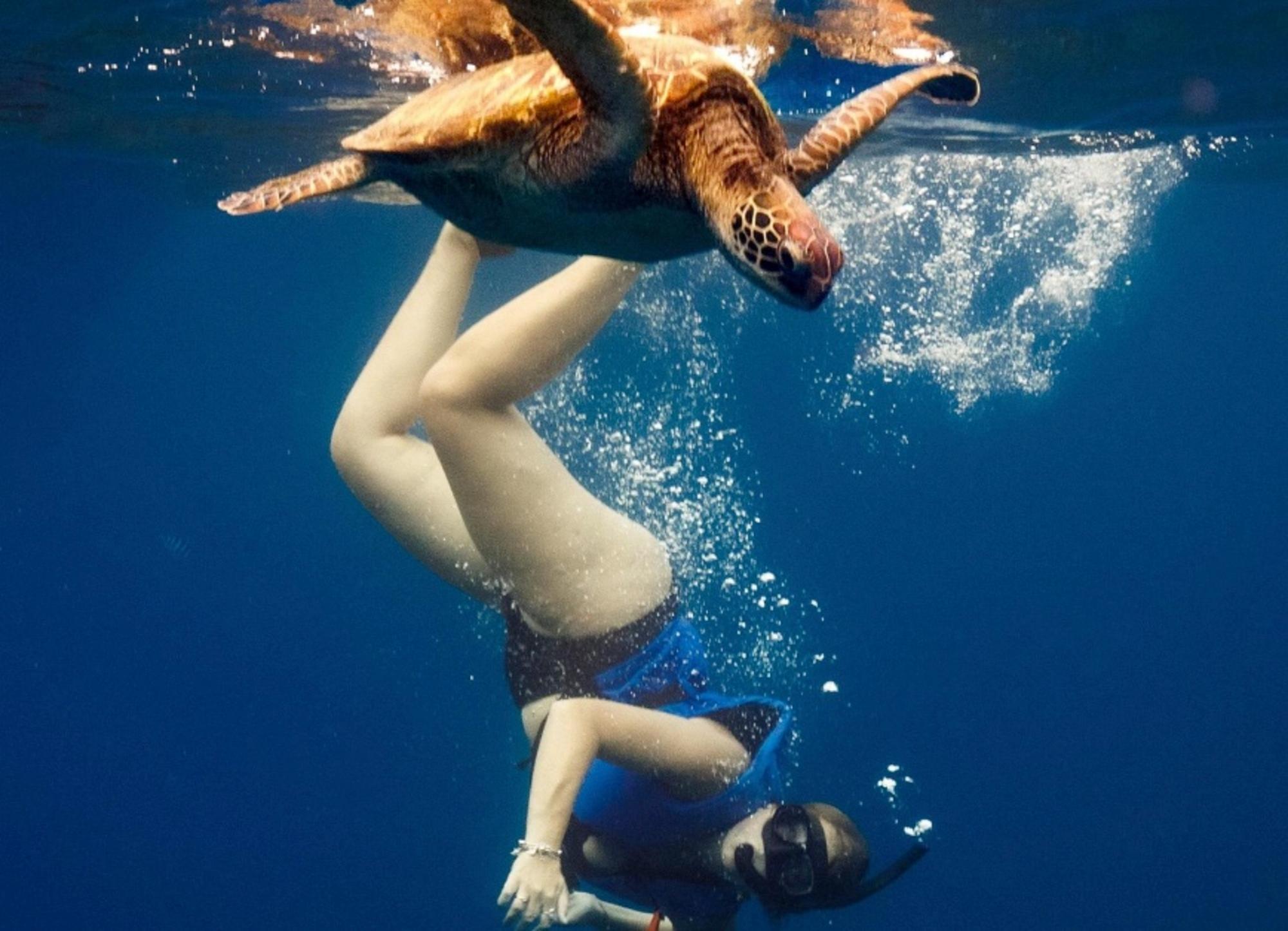
Encounter spinner dolphins, snorkel with sea turtles, and explore sunken wrecks in Tahiti's turquoise lagoon
You reach the slipway at Phaeton Bay, Taravao, by 07:30, while the isthmus is still in shadow and the water inside the reef sits flat. Nothing here charges admission — entry is 0 XPF, and what you pay goes to the boat rather than a gate.
You present your tahiti iti whale watching tickets, sign the briefing sheet, and pull fins and a mask from the crate.
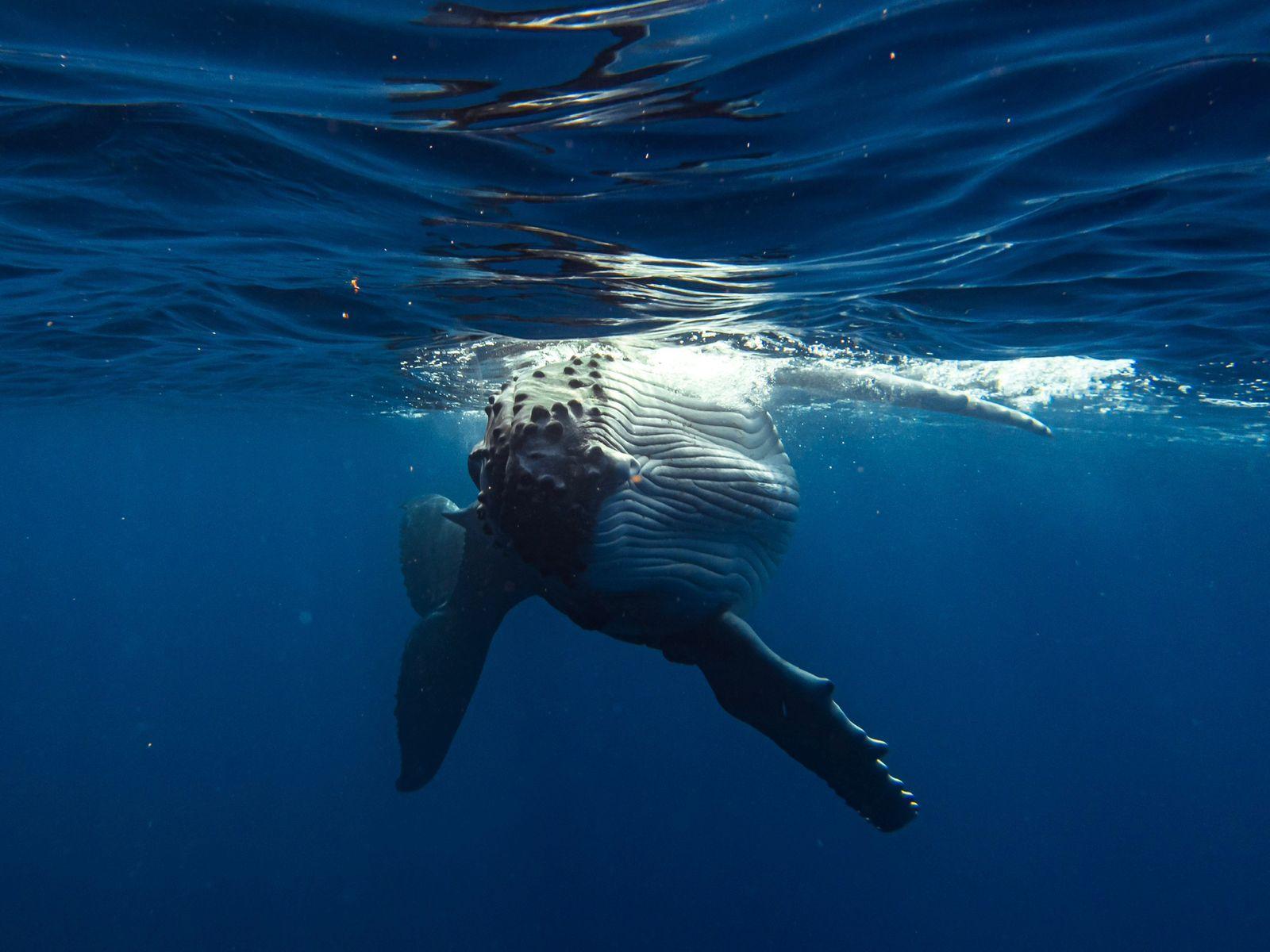
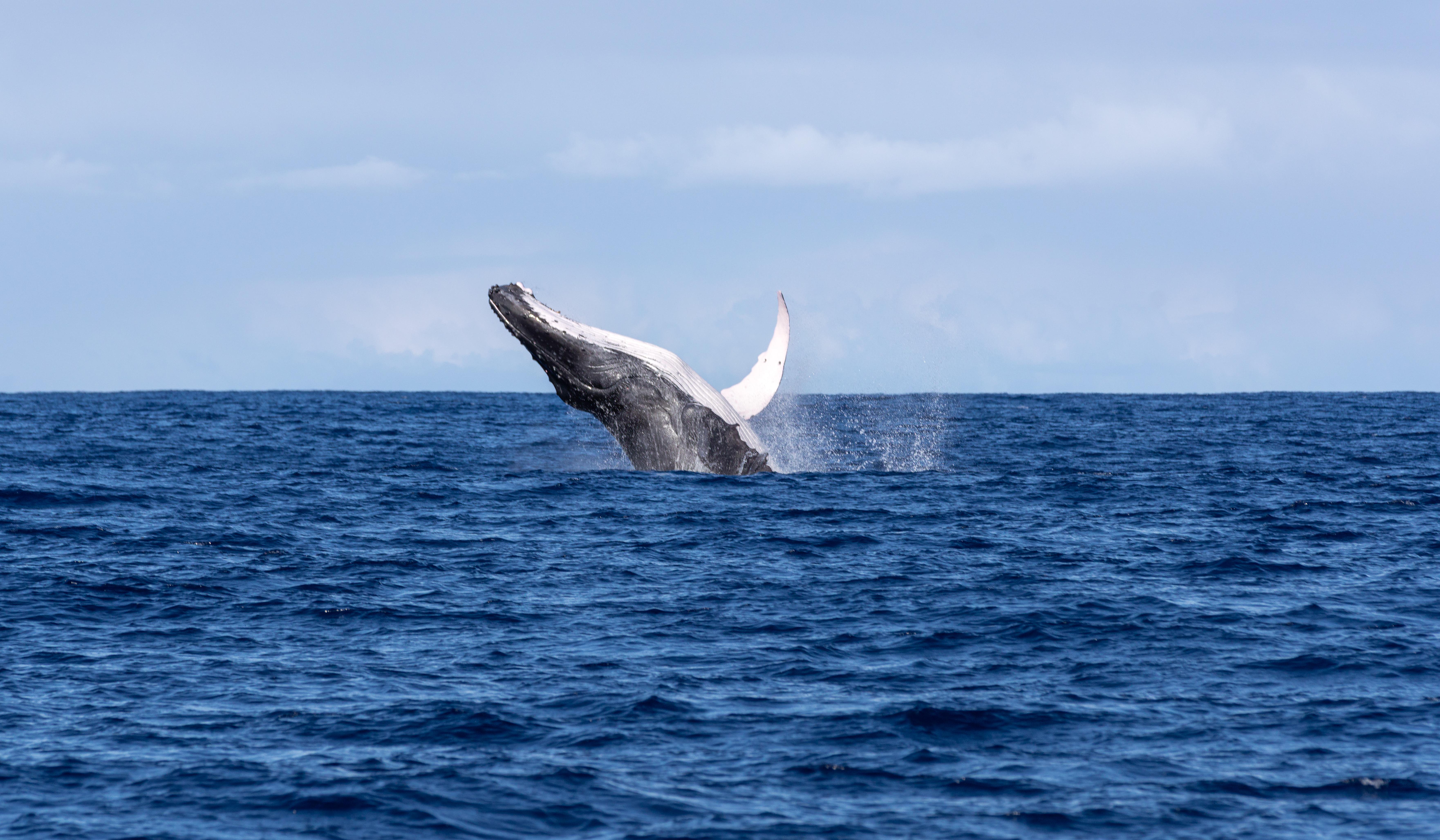
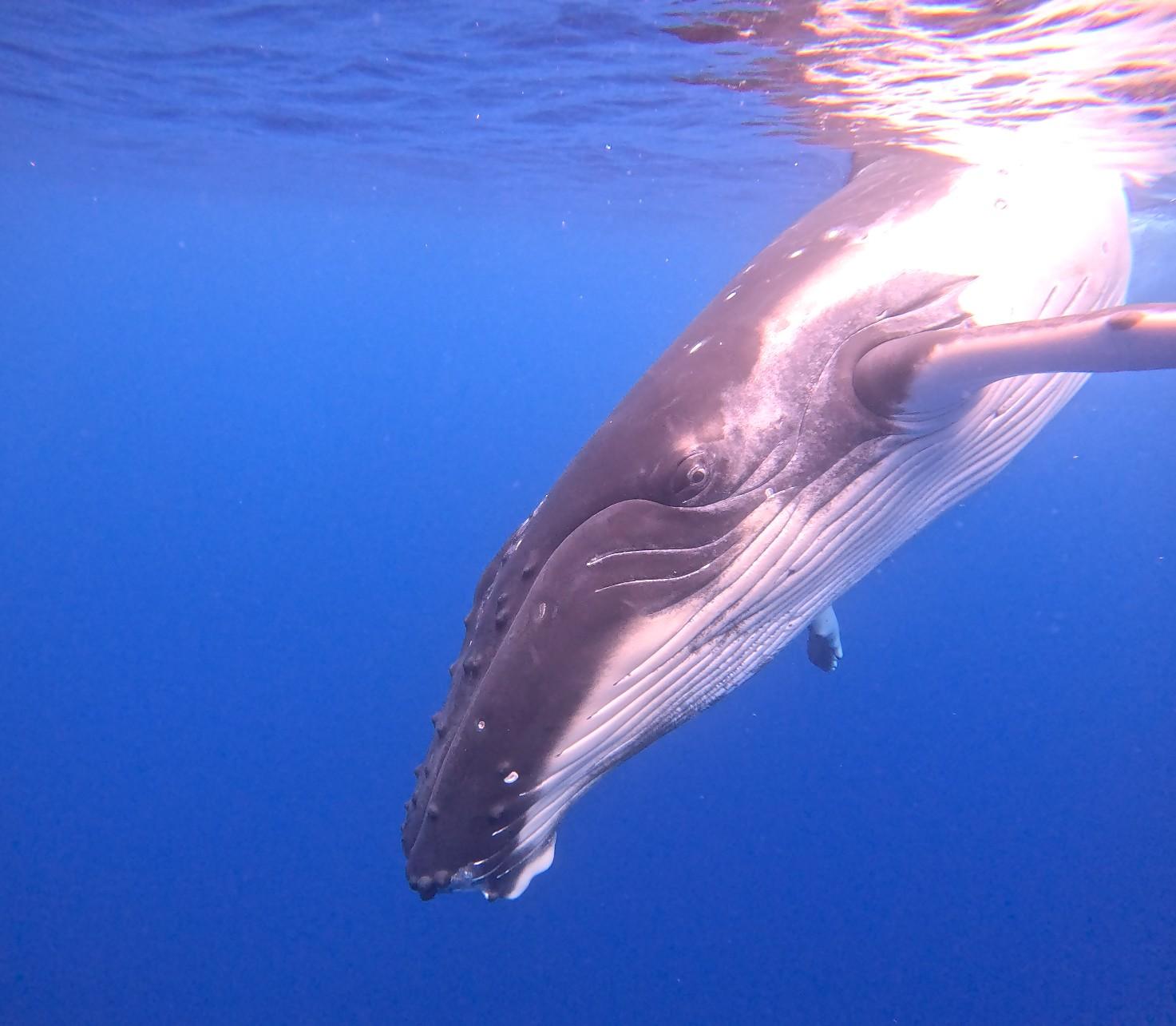
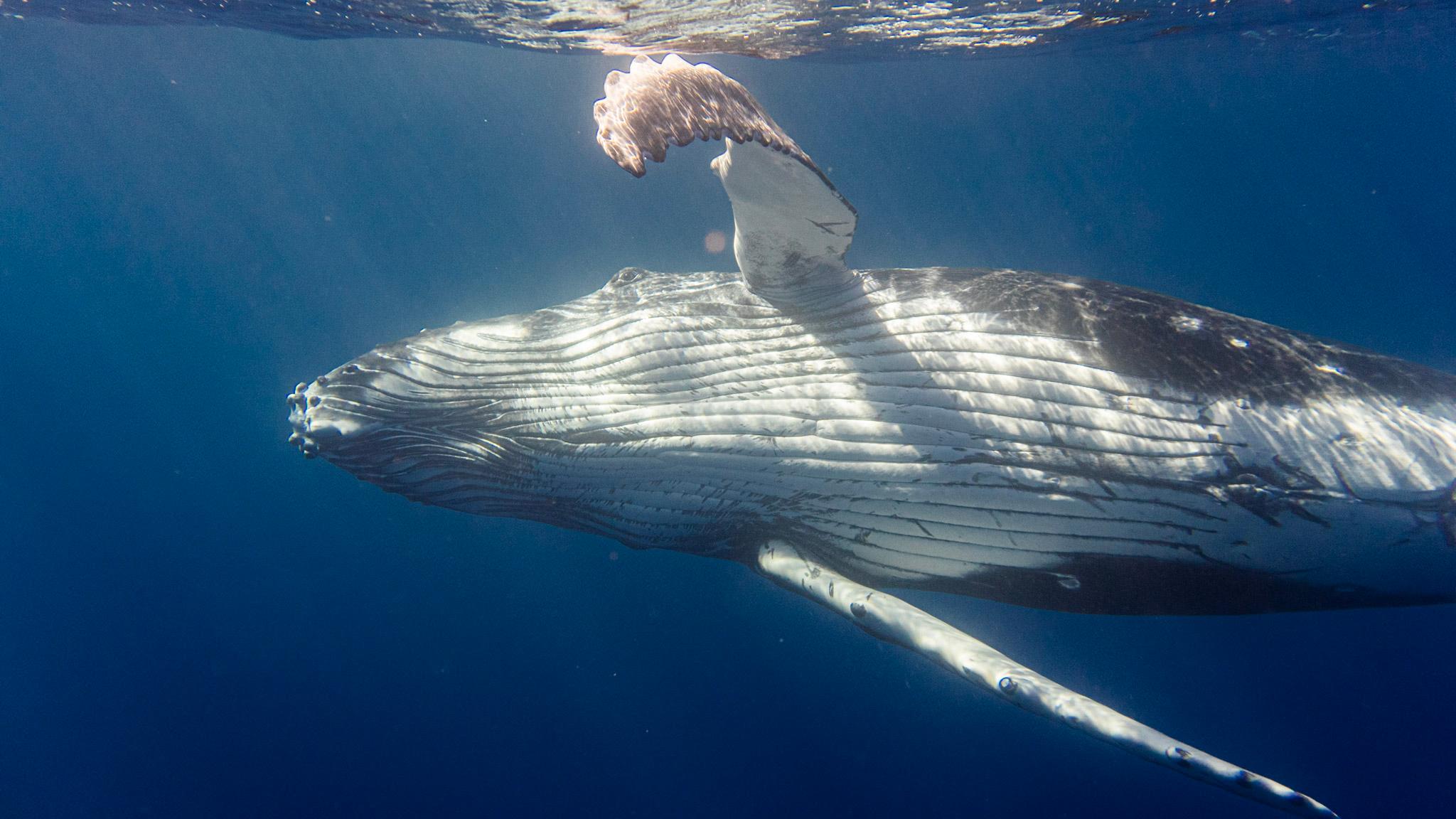
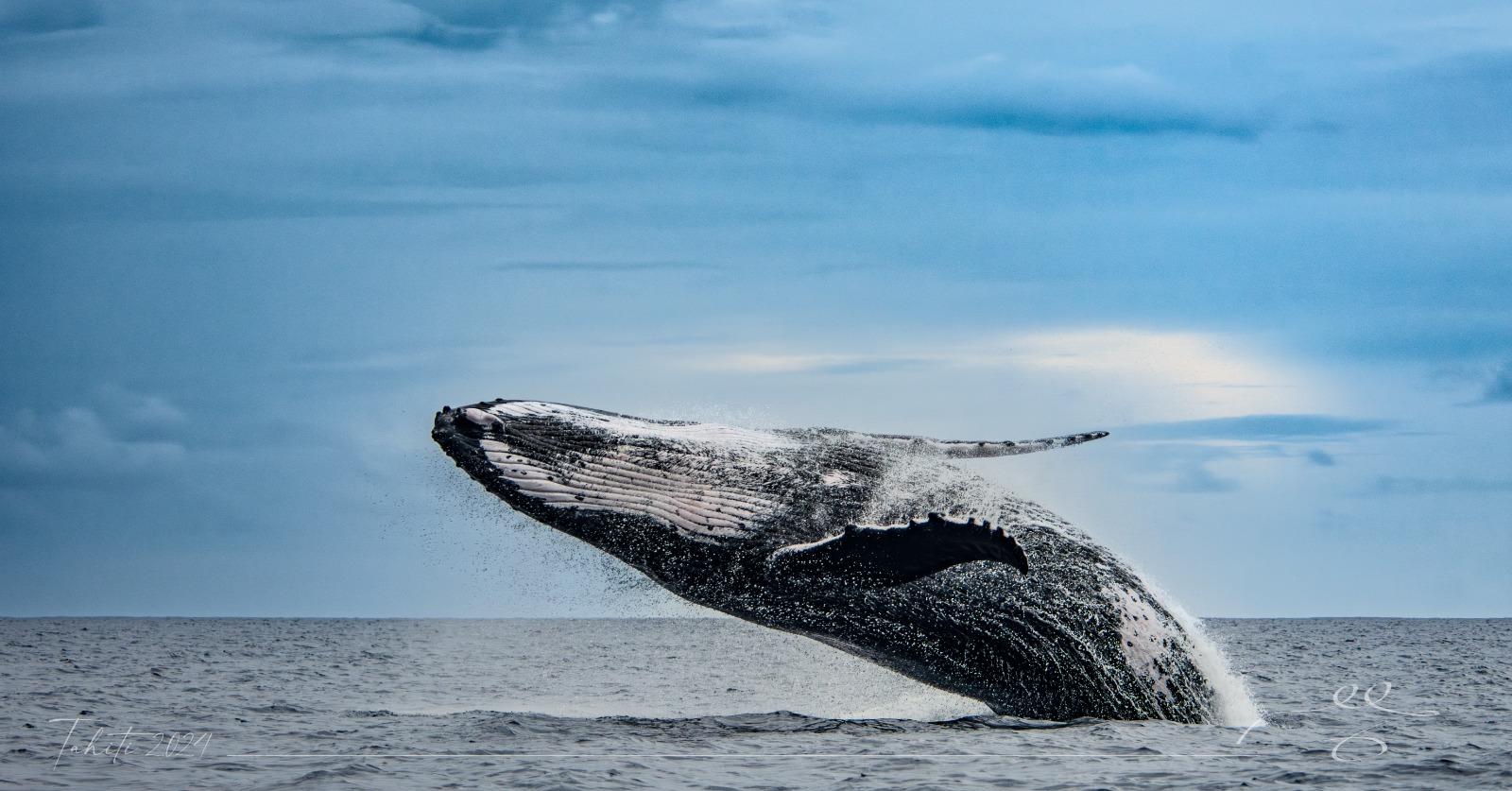
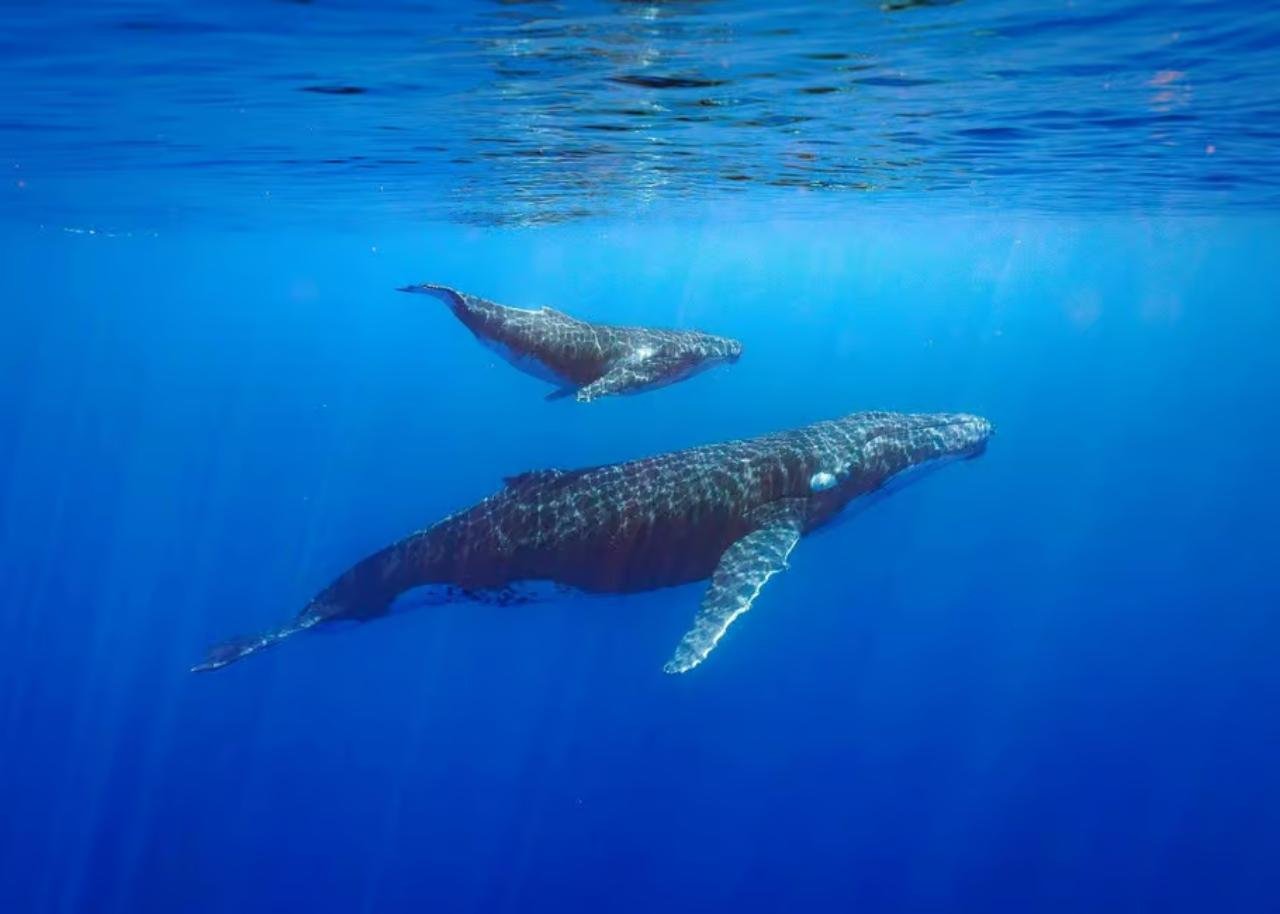
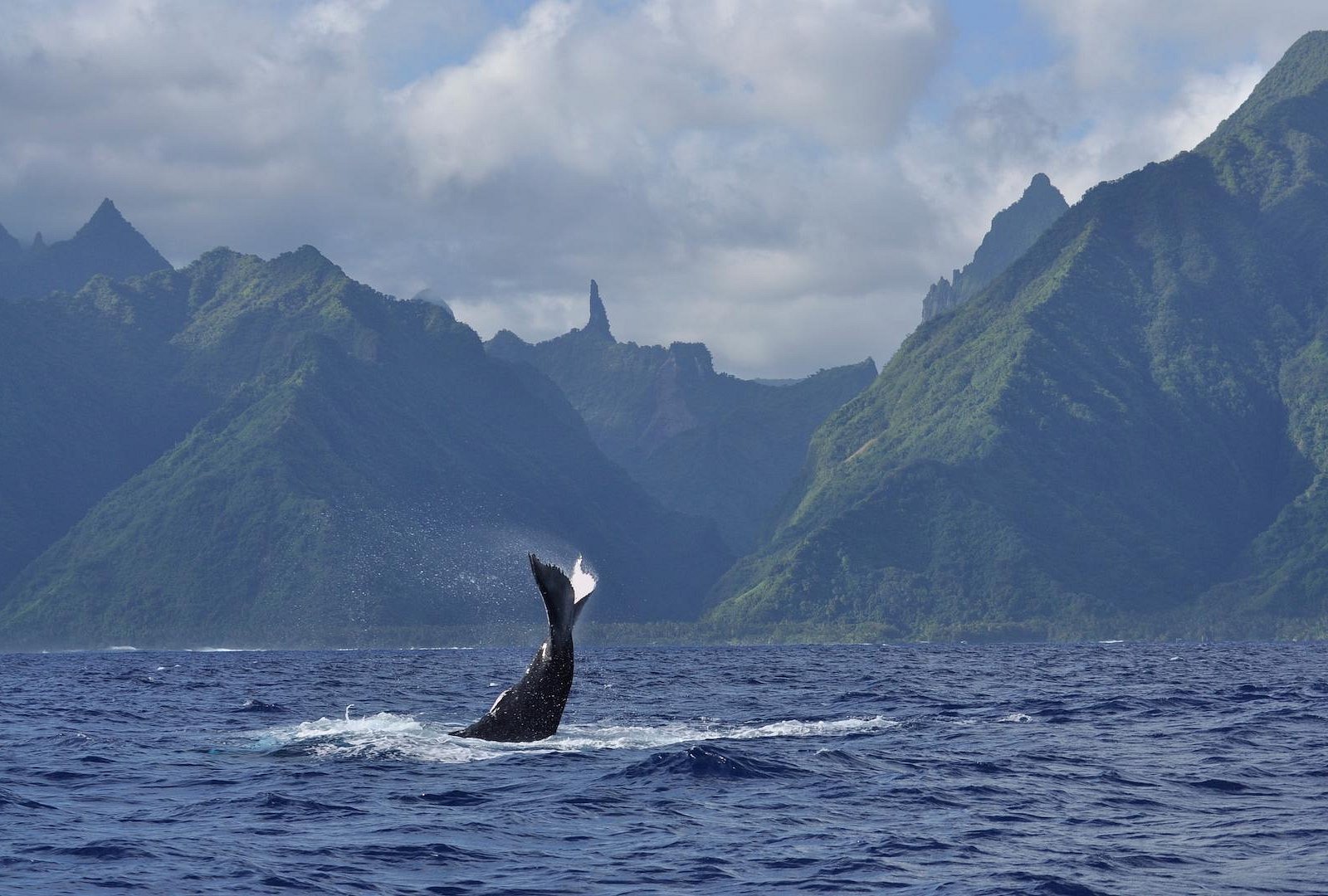
The skipper clears the pass and cuts the throttle. You scan the horizon instead of the water, because the first sign is almost never a whale — it is a blow, a column of vapour that stands for a few seconds and then tears sideways. When one appears, the crew waits. A mother and calf surface twice, then log at the top, motionless. Someone lowers a hydrophone, and the song arrives through the hull, low and repeating.
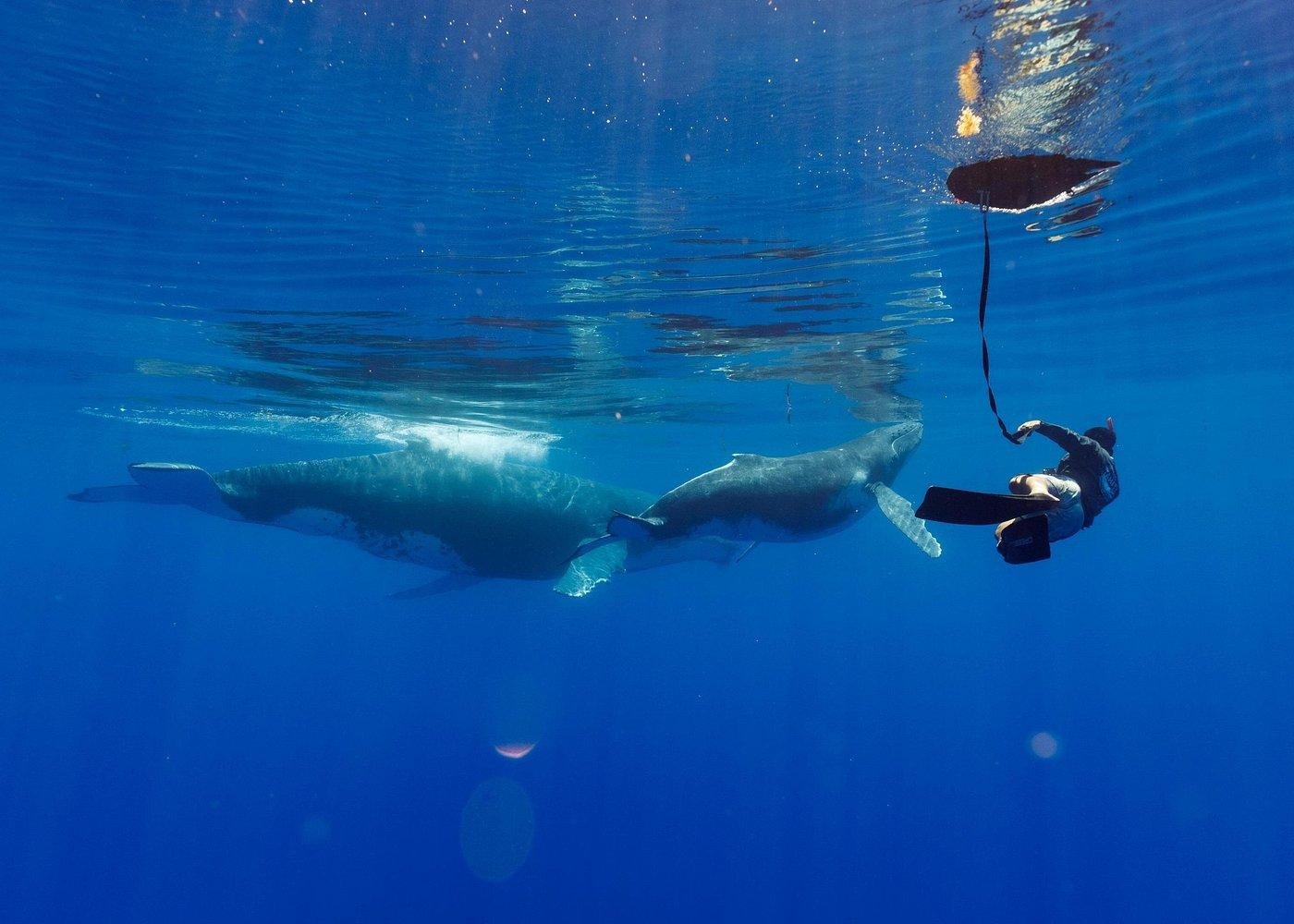
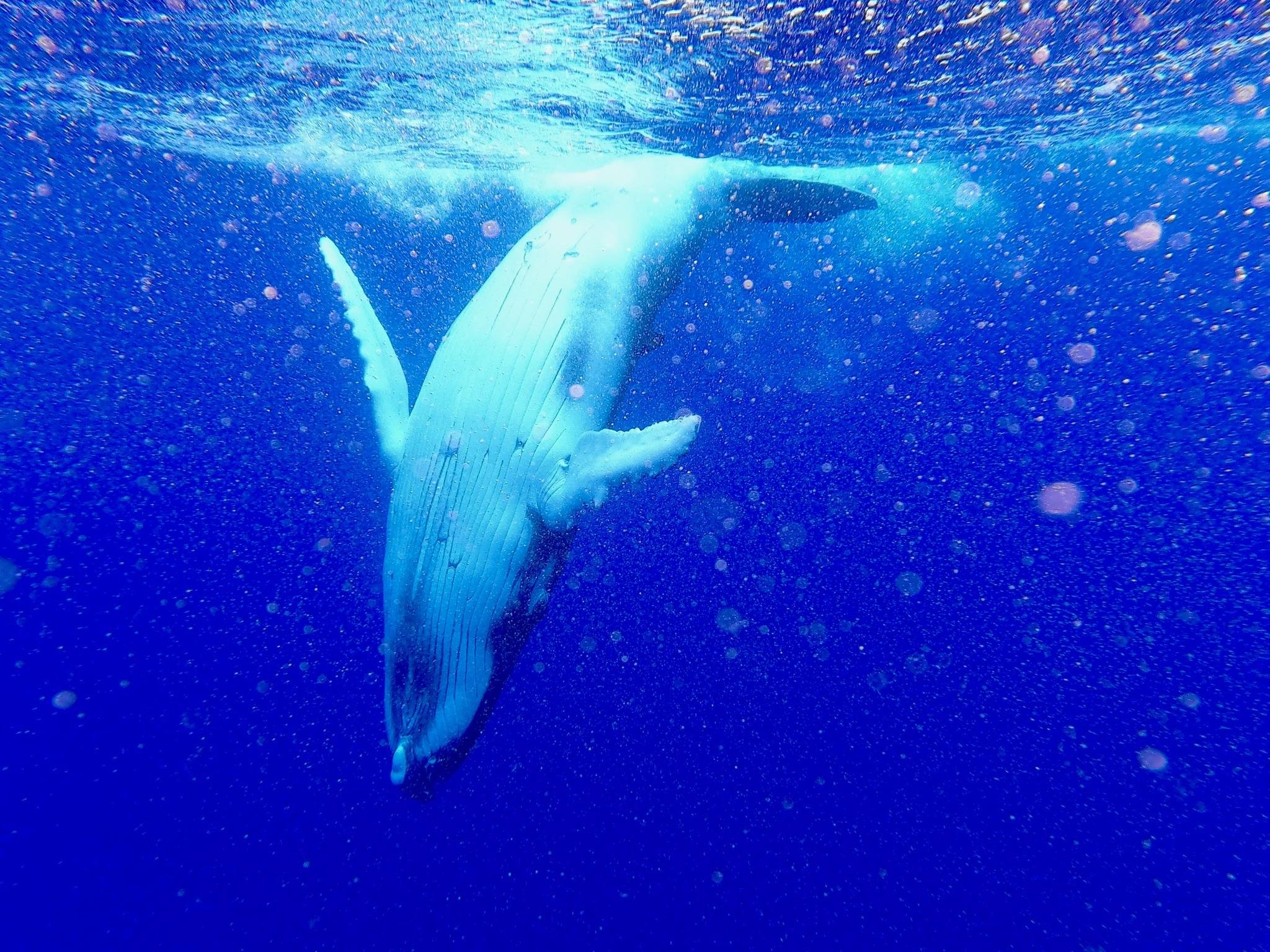
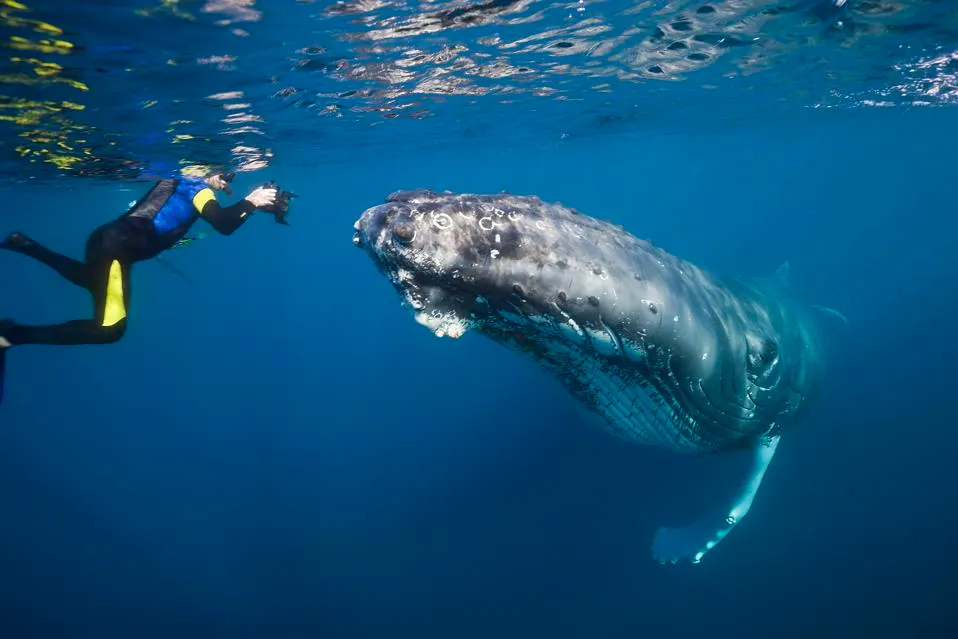
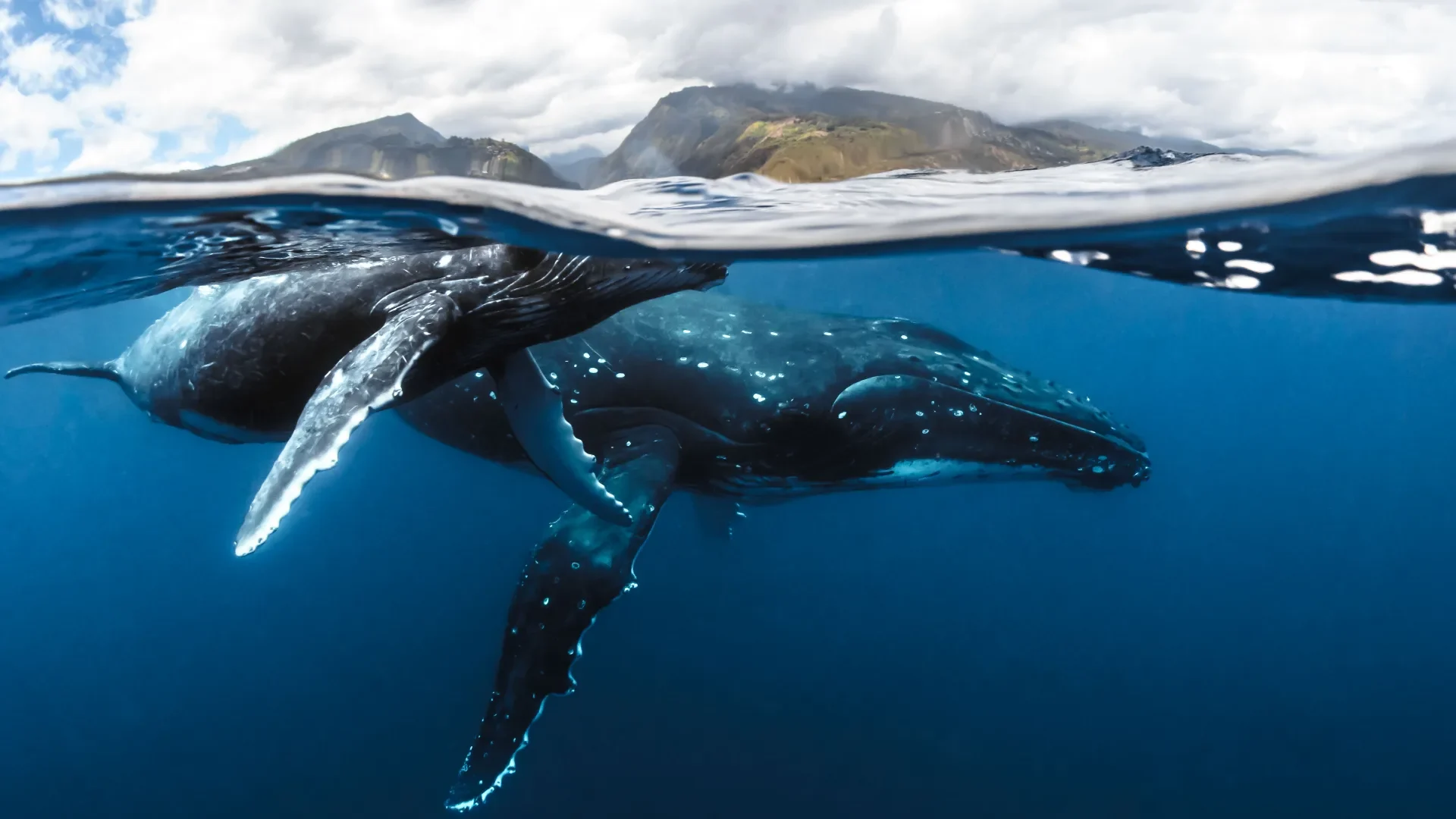
If conditions allow, you enter from the platform without splashing, fins last, and follow the guide's line at the surface. You breathe through the snorkel and keep still. The calf rises first, the mother resolving slowly out of blue beneath her. Back aboard, you rinse, drink water, and watch the Taravao coastline slide past. Seas stay calmest before midday, so departures cluster in the 07:30–12:30 window.
All the details about your upcoming adventure in one place
Humpback whales travel roughly 6,000 kilometres from Antarctic feeding grounds to reach the Tahiti Peninsula. They come to breed, to calve, and to sing. The geography rewards them: the fringing reef along Tahiti Iti is narrow, and the seabed drops to several hundred metres within a short run of the coast.
That bathymetry is why tahiti iti whale watching happens a few nautical miles from Phaeton Bay rather than a half-day offshore.
These waters carry a formal protection. In 2002 French Polynesia declared its entire exclusive economic zone — close to five million square kilometres — a marine mammal sanctuary, among the largest such designations anywhere. Megaptera novaeangliae was the chief beneficiary. The population that reaches Tahiti belongs to the Oceania stock, still numbering in the low thousands after commercial whaling ended. Calves are born at about four metres and grow on milk close to half fat. Naturalists here have catalogued individuals by fluke pattern for two decades, and the same mothers return to the peninsula across separate years.
The peninsula was known as Taiarapu long before either name reached a chart. Tautira, on the northern coast, sheltered the Spanish expedition of Domingo de Bonechea, which left a short-lived mission there in 1774; James Cook anchored in the same bay in 1773 and again in 1777. Fishermen from these villages read the surface for a living — the flat oil-slick of a fluke print, the standing column of a blow. Much of a tahiti iti whale watching tour still depends on that inherited literacy, on what locals call simply observation des baleines. A hydrophone dropped over the side confirms what the eye suspects: males hold station and sing for hours, repeating a phrase that shifts a little each year across the South Pacific.
Today the peninsula's identity is bound to its water. Teahupo'o breaks over a shallow reef down the same coast, and the road ends soon after at the Fenua Aihere, where access is by boat alone. Small crews running tahiti iti whale watching tours out of Taravao work inside that closed geography — a single bay, a handful of skippers, a record measured in sightings rather than schedules. Nothing about the encounter is engineered. The animals arrive, hold in the lee of the peninsula, and leave for the south again. The villages have watched this rhythm for generations, and the boats now simply carry witnesses out to it.

The sea floor falls away within sight of the shore, and the whales come to meet it.
Wear comfortable swimwear and light clothing suitable for a boat deck. A windbreaker is recommended for breezy conditions on the open ocean.
Keep belongings minimal. Dry bags are highly recommended to protect electronics from salt spray during your tahiti iti whale watching tour.
Underwater cameras are allowed, but flash photography is prohibited to avoid disturbing the whales. Ensure your equipment is secured with a wrist strap.
Children are welcome on board, provided they are comfortable in the water. Supervision is required at all times during all tahiti iti whale watching tours.
The marina and boats are generally accessible, but guests should be able to navigate boarding steps. Contact the operator to discuss specific requirements for your tahiti iti whale watching tickets.
Bring sufficient hydration and light snacks for the excursion. Alcohol is not permitted on board for safety reasons.
Opening Hours
07:30–17:30 daily
Address
Phaeton Bay, Taravao, Tahiti Peninsula, French Polynesia
Accessibility
Inquire for specialized mobility needs
Best arrival
07:30–12:30
Storage
Secure lockers available on-site
Meeting Point
Phaeton Bay Marina
Cancellations made outside of the defined window may incur fees. Please refer to official tour operator terms regarding the 0 XPF gate fee policy.
Recommended time
Half a day
Most visitors plan for a half-day excursion when booking a tahiti iti whale watching experience at Phaeton Bay. The best arrival window is 07:30–12:30, as morning departures offer calmer seas and higher probability of favorable whale interaction conditions. When selecting tahiti iti whale watching tours, prioritize earlier departures to enjoy optimal marine visibility and avoid the afternoon swell. Those securing tahiti iti whale watching tickets should allow extra time for boat boarding procedures and safety briefings before heading out to locate humpback whales in their natural habitat.
Crowd levels through the day
The peninsula's history is written first in stone. In 1844 French troops fortified the Taravao isthmus during the war against the Tahitian kingdom, and the sheltered water below, Phaeton Bay, became the working harbour of Tahiti Iti. Every boat that now leaves for tahiti iti whale watching departs from that same inlet, hemmed by mangrove and the deep channel cut across the isthmus. Those channels once served a harsher trade. Through the 1820s and 1840s, American and British whaleships provisioned in Tahitian ports while working Polynesian grounds for sperm and humpback whales. The greater damage came later and from far away: between 1959 and 1971, clandestine Soviet factory fleets reduced the Oceania humpback subpopulation to a few hundred animals. The waters that carry tahiti iti whale watching tours today were, within living memory, nearly emptied. Recovery was legislated rather than accidental. The International Whaling Commission voted a moratorium in 1982, phased in from the 1985/86 season. In 2002 French Polynesia went further, declaring its entire exclusive economic zone — close to five million square kilometres — a marine mammal sanctuary. The IUCN still classed the Oceania subpopulation as Endangered in 2008. From 2013 the association Mata Tohora, founded by researcher Agnès Benet, documented approach behaviour around the islands, and territorial rules on distance and certified guiding followed. The modern tahiti iti whale watching tour is a direct product of that regulation. What survives is a working bay, not a monument. Megaptera novaeangliae still returns from Antarctic feeding grounds to calve along the peninsula's reef drop-offs, and the song of solitary males carries through the passes as it did before any of this was written down. The Tahitian word for the animal, tohorā, remains in daily use at Taravao. In 2026 the shoreline itself costs 0 XPF; tahiti iti whale watching tickets are issued only by licensed operators, from 07:30.
American and British whaleships provisioned in Tahitian ports while hunting sperm and humpback whales across Polynesian waters.
French troops fortified the Taravao isthmus above Phaeton Bay, fixing the settlement that became the peninsula's harbour.
Clandestine Soviet factory-fleet whaling cut the Oceania humpback subpopulation to a few hundred animals.
The International Whaling Commission voted a commercial whaling moratorium, phased in from the 1985/86 season.
French Polynesia declared its entire exclusive economic zone, close to five million square kilometres, a marine mammal sanctuary.
The IUCN assessed the Oceania humpback subpopulation as Endangered, confirming how slow the recovery had been.
The association Mata Tohora, founded by researcher Agnès Benet, began systematic monitoring of cetacean approach behaviour in local waters.
Access to Phaeton Bay remains free at 0 XPF, with licensed operators working daily from 07:30 to 17:30.
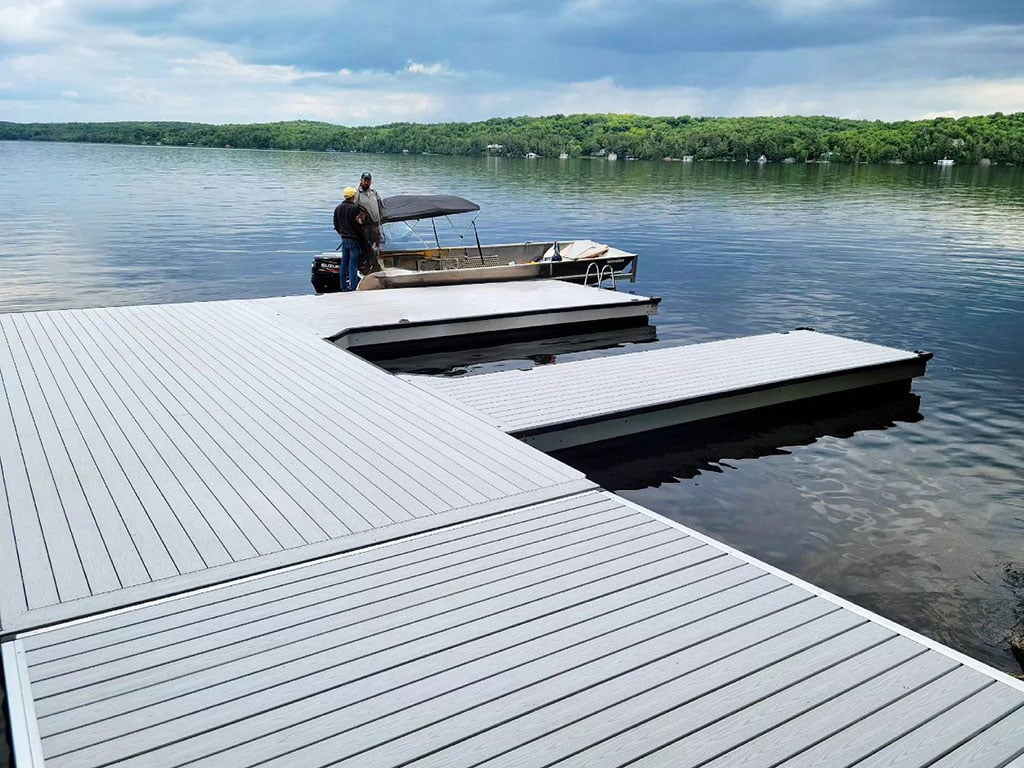
Stand at the end of the wooden pier to capture the boat departure against the backdrop of the lush peninsula mountains. This is the primary staging area for your tahiti iti whale watching experience before heading out to open water.
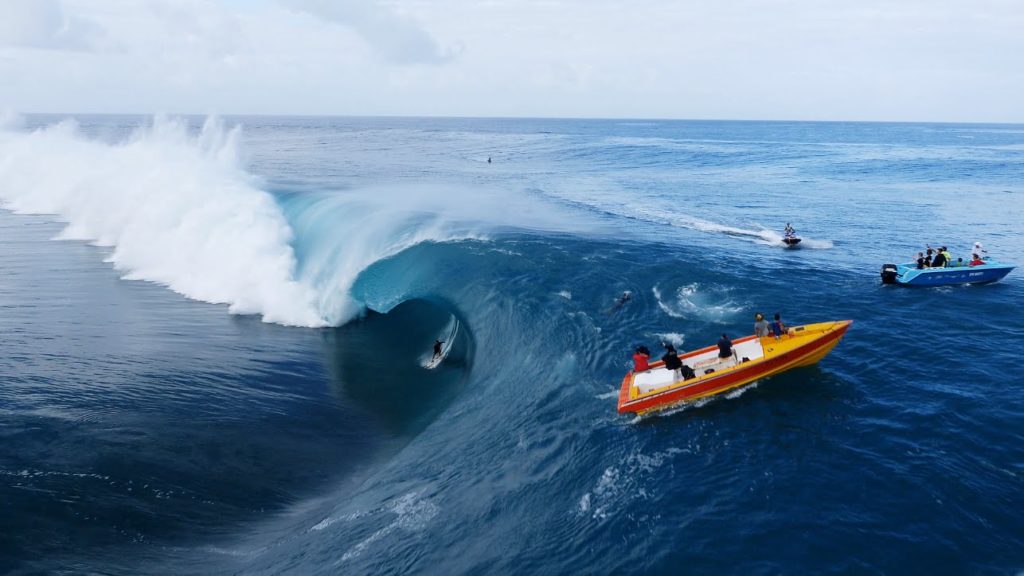
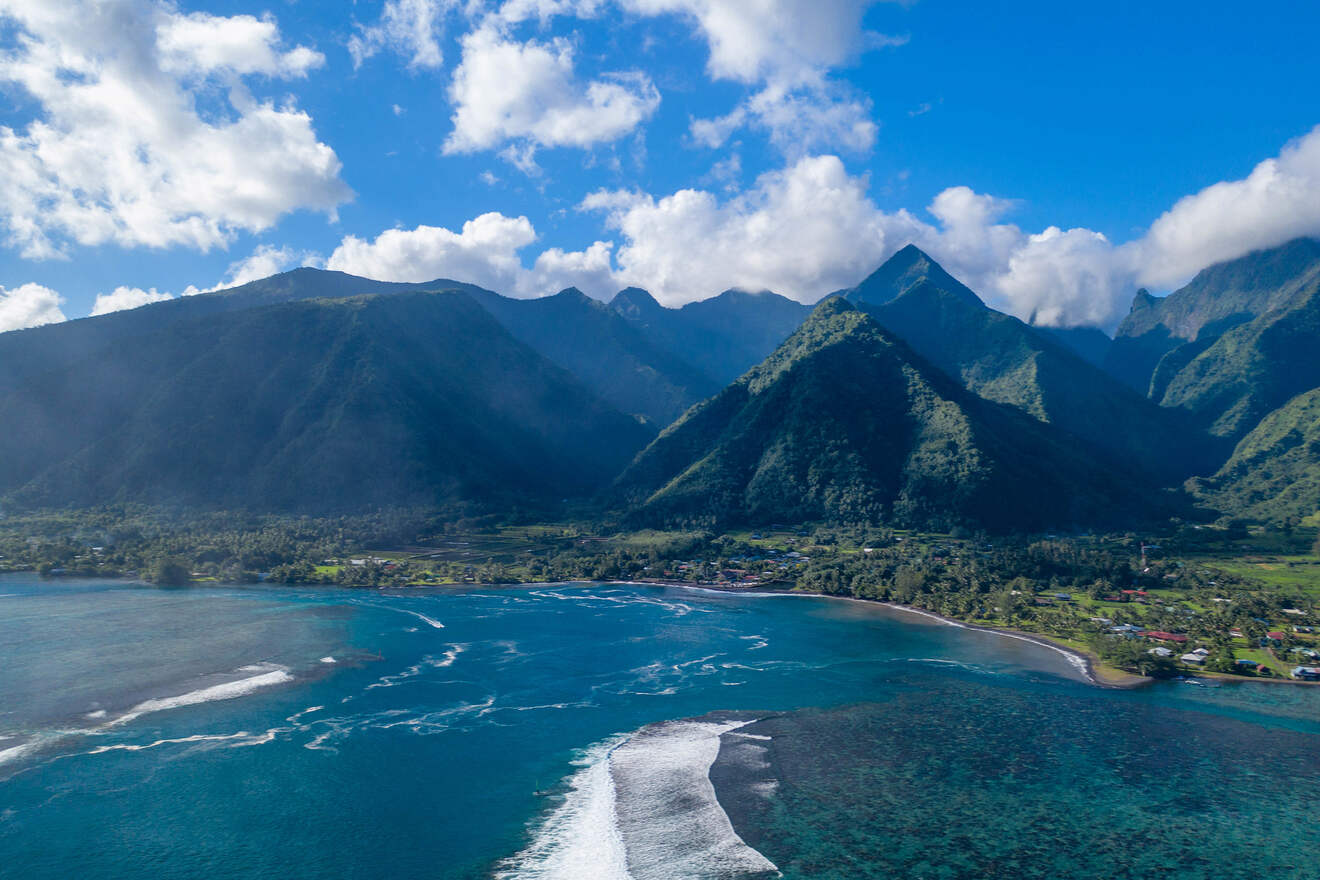
Position your camera from the bow as the vessel approaches the legendary reef edge where marine life often congregates. This vantage point provides a scale contrast between the massive waves and the ocean mammals found on tahiti iti whale watching tours.
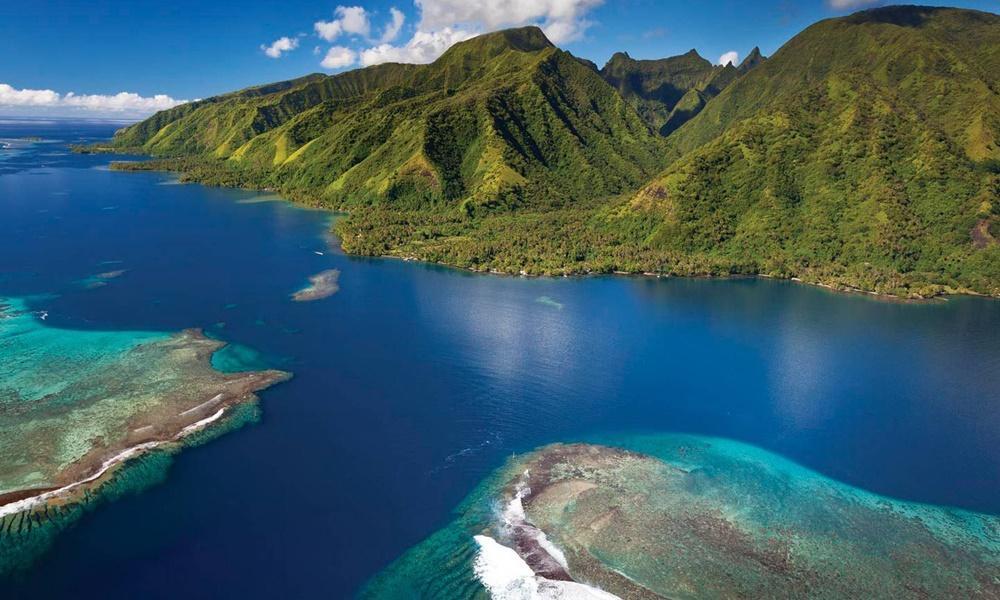
Capture the contrast of turquoise shallow waters meeting deep blue channels where cetaceans are frequently spotted. Use a long lens to focus on surfacing activity while keeping the island topography in your frame for a professional tahiti iti whale watching tour composition.
Shoot toward the dramatic emerald cliffs from the water to illustrate the rugged terrain of the peninsula. These vertical landscapes serve as a distinct background for wide-angle shots during your tahiti iti whale watching tickets excursion.
Exploring the marine life of the peninsula through tahiti iti whale watching provides families a chance to observe humpback whales in their natural habitat. These guided sea excursions focus on safety and respectful observation of Pacific marine mammals.
Strollers cannot be used on board the boats, so parents should bring a baby carrier for infants and toddlers. Walking paths at the Phaeton Bay departure point are unpaved, making carriers more practical than wheeled transport
While these Tahiti marine excursions are open to all ages, children aged 6 and older generally handle the boat movement and long observation periods better. Consider booking private tahiti iti whale watching tours to allow for more flexibility if little ones become restless
There are no baby-change tables or specialized nursery facilities available at the dock, so come fully prepared for your time at sea. Ensure all personal supplies are kept in a waterproof bag to protect them from ocean spray
Morning departures are recommended as the best arrival window is 07:30–12:30, ensuring a smoother ride for young passengers. Scheduling your tahiti iti whale watching tickets early in the day helps avoid the stronger afternoon winds and choppy surface conditions.
The Taravao area offers several local spots perfect for a meal near tahiti iti whale watching. While there are no dining facilities directly at the Phaeton Bay marina, visitors often grab refreshments in the nearby town center before starting their tahiti iti whale watching tours.
This casual spot serves quick local favorites like poisson cru and sandwiches, making it ideal for those needing a meal before their tahiti iti whale watching tour. It is popular with residents and visitors seeking a simple, authentic bite.
Located a short distance from the bay, this venue offers hearty traditional plates that provide a great way to refuel after securing your tahiti iti whale watching tickets. The outdoor seating area is comfortable for post-excursion dining.
Everything you need to know for your journey
The center is open daily from 07:30–17:30.
Yes, booking your tahiti iti whale watching tickets in advance is strongly recommended due to high demand.
The prime season is August through November; 07:30–12:30 is the best arrival window.
Yes, under strict safety regulations, swimming with whales is often possible, provided the animals' behavior allows it.
Please check your specific provider's terms; gate fees are 0 XPF, but excursion fees apply.
Yes, families are welcome, though young children should be comfortable in the water.
While some gear is available, bringing your own mask and snorkel is recommended for the best experience.
Tours may be rescheduled based on ocean conditions; operators will notify you directly.
Yes, parking is available at the Phaeton Bay Marina facility.
You are encouraged to bring snacks and water, but please keep the deck clean and refrain from bringing alcohol.
Join thousands of happy travelers who have discovered this incredible experience
Book Your Experience Now