4 hr 30 min
Tahiti Humpback Whale Watching Expedition
- Entry ticket
- Mobile voucher
- Valid same day
- Free cancellation
Tahiti Whale Watching — Guided Humpback Departures & Reserved Boat Seats
Song carries through open water, the engine falls to silence.
Compare fares, pick the fit — all bookings are mobile-voucher and eligible for free cancellation where shown.
4 hr 30 min
5 hr
4 hr
| Experience | Duration | Rating | Pickup | Guide | Small group | Free cancel. | Price | |
|---|---|---|---|---|---|---|---|---|
|
Standard Entry
Most popular
Tahiti Humpback Whale Watching Expedition
|
4 hr 30 min | ★ 4.1 | ✓ | ✓ | ✓ | ✓ | €193 | Book → |
|
Standard Entry
Humpback Whale Watching Adventure in Tahiti
|
5 hr | ★ 4.5 | — | ✓ | ✓ | ✓ | €138 | Book → |
|
Standard Entry
Humpback Whale Watching & Swimming Experience
|
4 hr | ★ 5.0 | — | — | ✓ | ✓ | €150 | Book → |
Worth it for patient travellers, not guaranteed sightings
Tahiti whale watching costs nothing at the shoreline — entry is free at 0 XPF — but the encounter itself only happens on a licensed boat, and that fee is what you are actually weighing. What it buys is not a whale; it is a skipper who reads swell, wind and blow patterns across open water beyond the reef pass, radio contact between operators tracking humpback pods, and a guide certified under Polynesian marine mammal regulations who knows how far a mother and calf must be given. Comparable tahiti whale watching tours elsewhere in the Pacific charge similar money for less regulation. Departures from Paea fishing port and Punaauia put you over deep drop-offs within minutes, which is where the singing males hold position. It pays off for confident swimmers, ocean-curious travellers and anyone who values a competent operator over a cheap seat. It disappoints people who expect a guaranteed performance.
Bottom line: Book a tahiti whale watching tour if you can accept the ocean setting the terms — the expertise is real even on a quiet day.
They complement each other; most visitors who do both call Moorea the more thrilling for its consistent marine encounters. Whether you select a tahiti whale watching tour or venture to the neighboring island, you will find strictly regulated wildlife observation programs.
|
Top pick Tahiti |
Moorea | |
|---|---|---|
| Departure Logistics | Port-based departures | |
| Ocean Accessibility | Open pelagic zone | |
| Travel Time from Papeete | N/A (Local) | |
| Island Landscape View | Volcanic coastline | |
| Tour Boat Capacity | 6–12 guests | |
| Ease of Marine Access | High (certified operators) | |
| See tickets & prices |
Verdict: Moorea is widely favored for its high density of humpback whale sightings and clear lagoon-adjacent waters, whereas Tahiti offers convenient, accessible departures for those staying on the main island.
Hand-picked experiences loved by thousands of travelers
4 hours
Free Cancellation
Intimate 4-hour marine adventure with certified guides aboard a comfortable inflatable vessel
4.5 hours
Free Cancellation
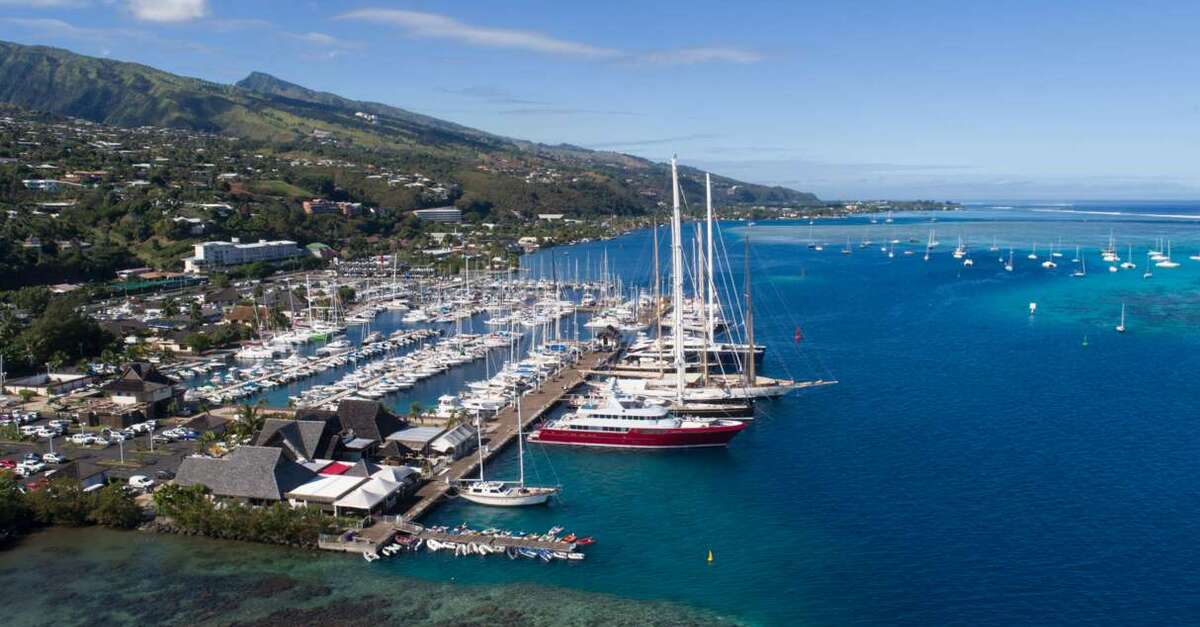
Encounter migrating humpback whales on a respectful 4.5-hour ocean adventure from Papeete Marina.
4 hours
Free Cancellation
Observe magnificent humpback whales in Polynesian waters with optional guided swimming in small groups
4 hours
Free Cancellation
Journey into Polynesian seas for an intimate 4-hour encounter with magnificent humpback whales
4 hours
Free Cancellation
Join expert guides for an unforgettable encounter with migrating humpback whales in French Polynesia
4 hours
Free Cancellation
Intimate small-group encounter with humpback whales, guided by marine experts with hydrophone audio
5 hours
Free Cancellation
Join certified marine guides on an intimate ocean expedition to observe and potentially swim with humpback whales
6 hours
Free Cancellation
Six-hour marine expedition combining whale encounters, tropical reef snorkeling, and guided scuba exploration
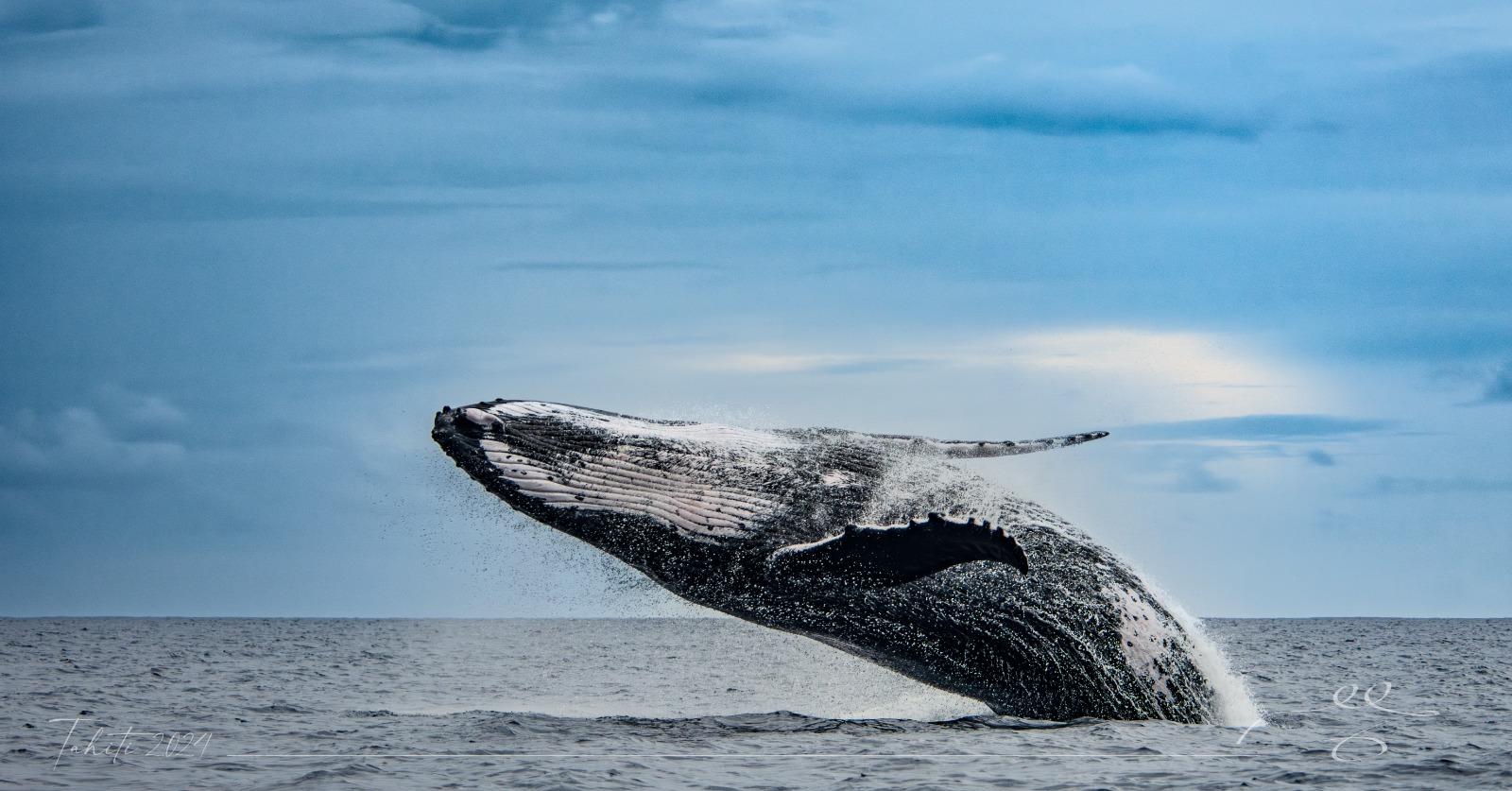
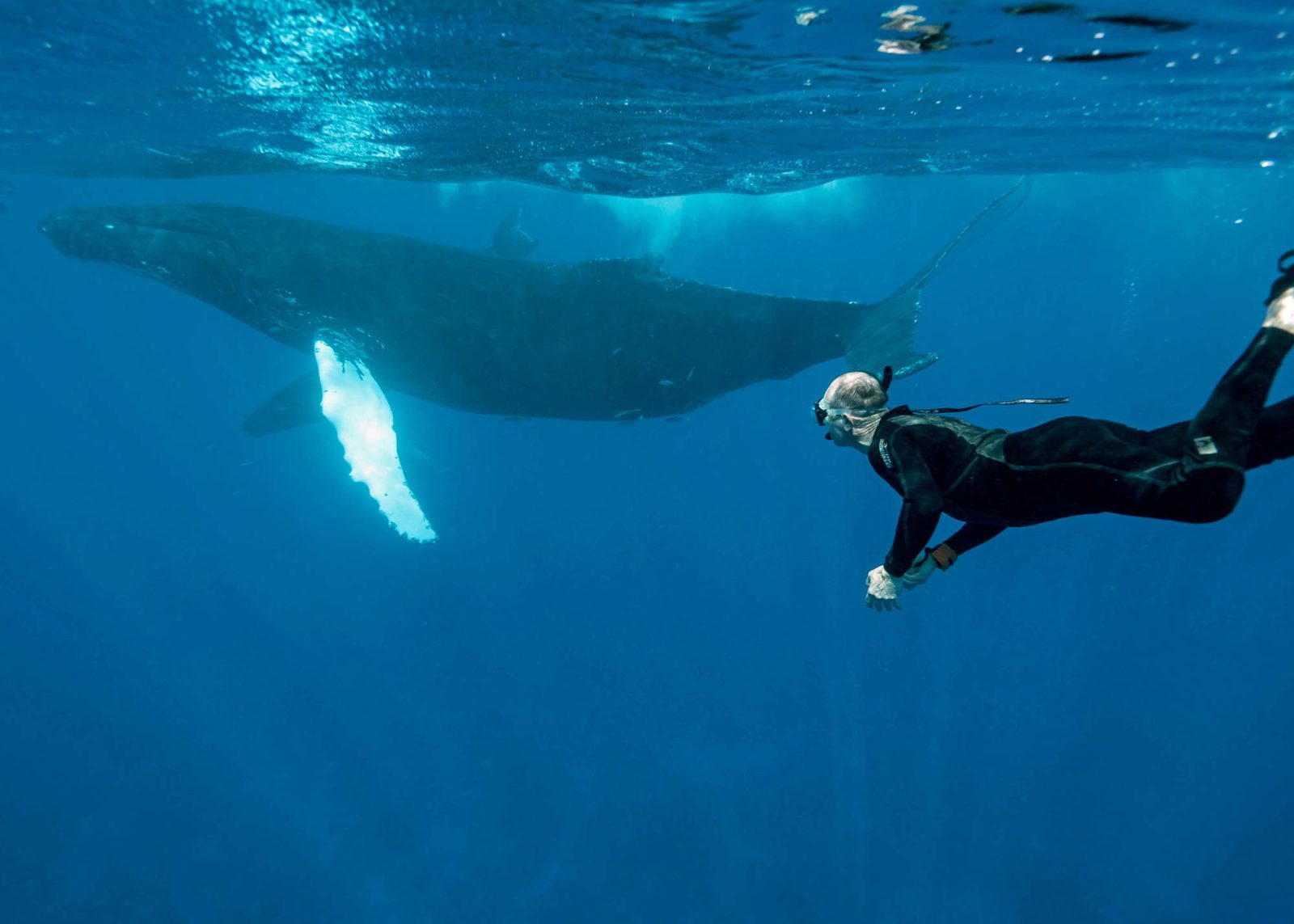
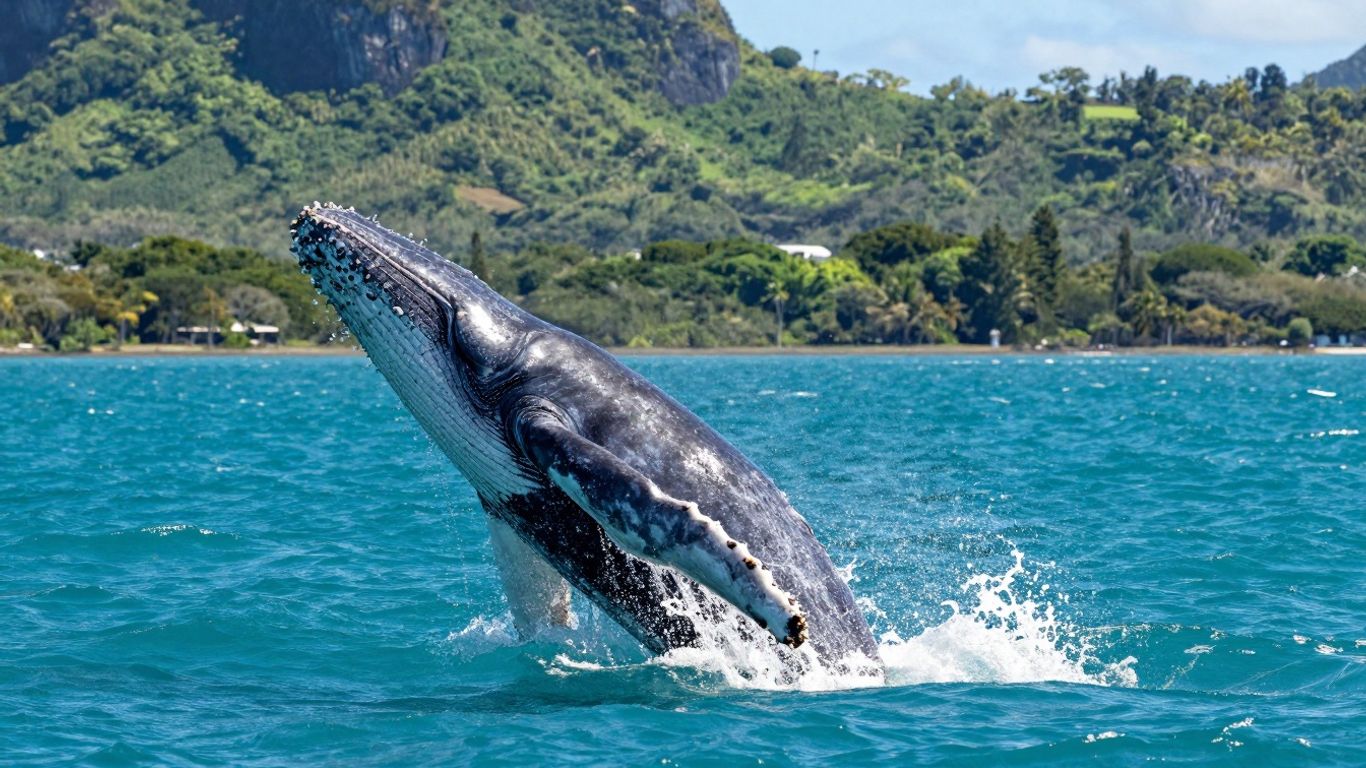
Large groups of humpback whales frequently gather in the calm channels around Tahiti for breeding and nursing. Seeing these giants is a centerpiece of the tahiti whale watching experience.
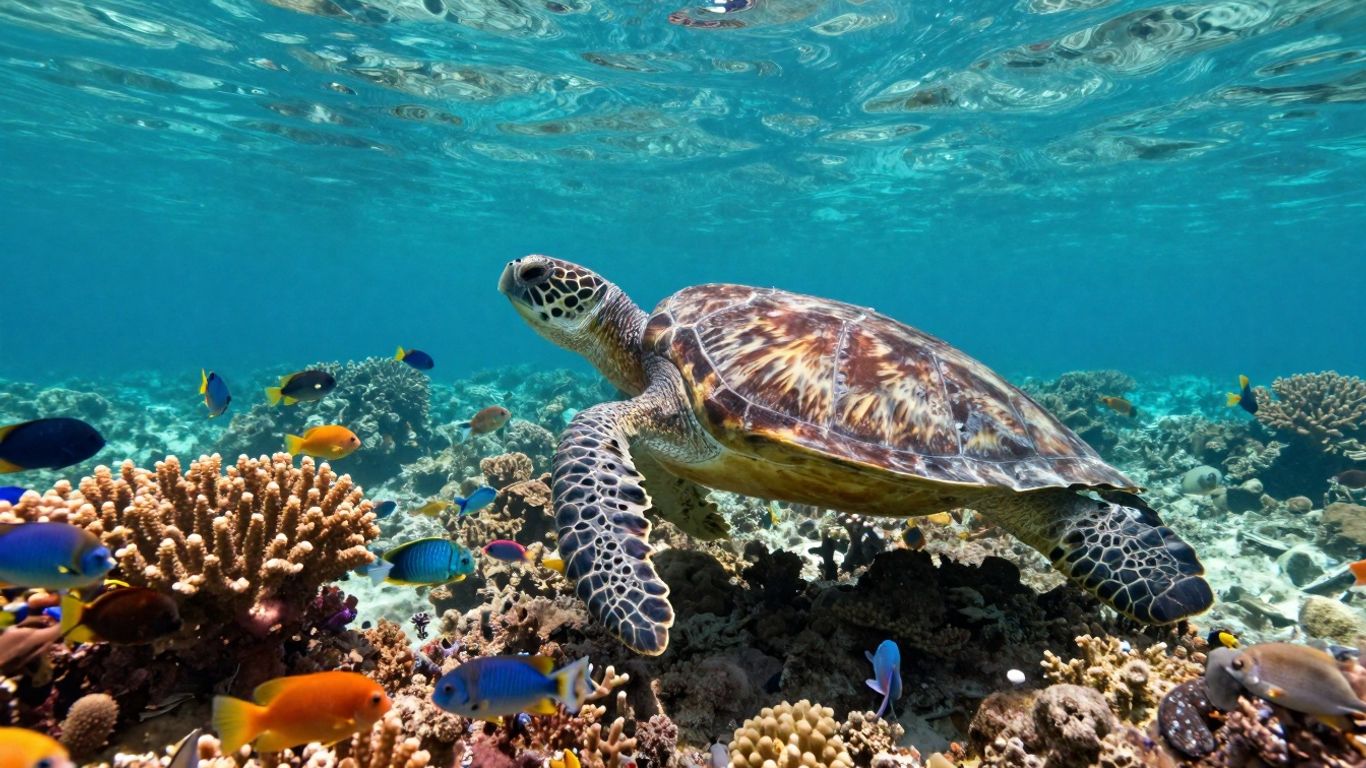
These protected areas ensure the safety of aquatic life while providing observers with a clear view of dolphins and turtles.
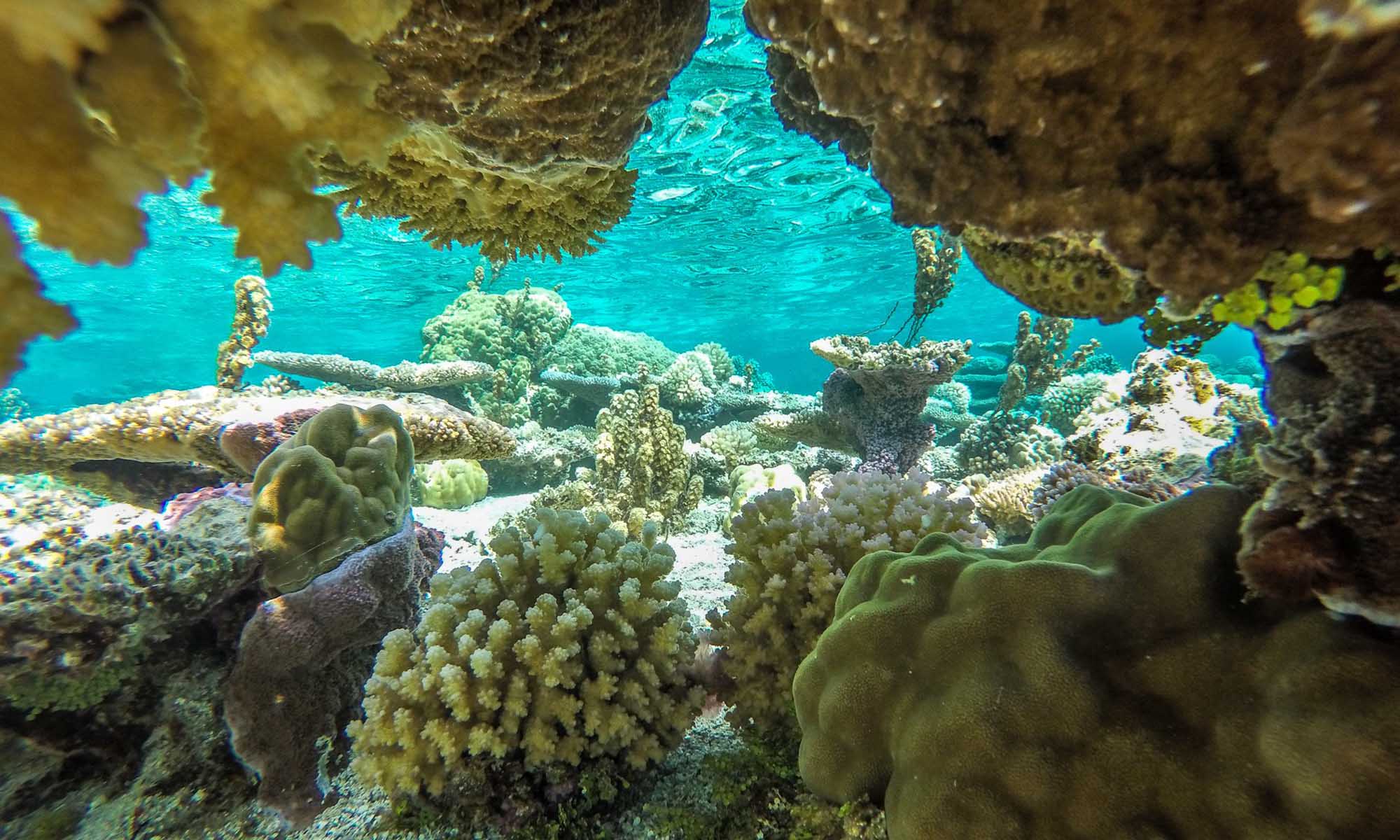
Crystal clear waters provide a view of the intricate reef systems visible during your transit to deeper ocean waters.
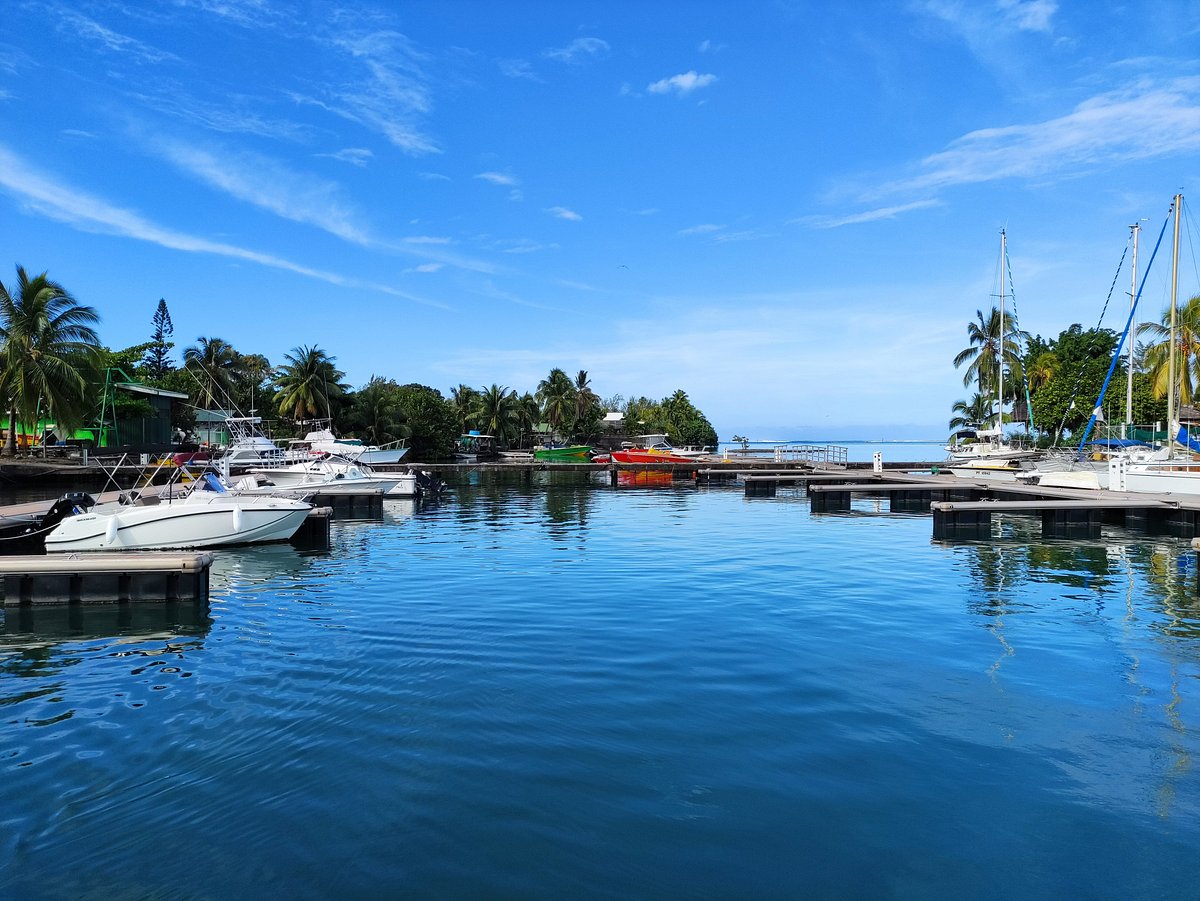
You reach the fishing port at Paea before the trade wind wakes, closer to 07:30 than to nine, and the lagoon still holds the flat grey of early light.
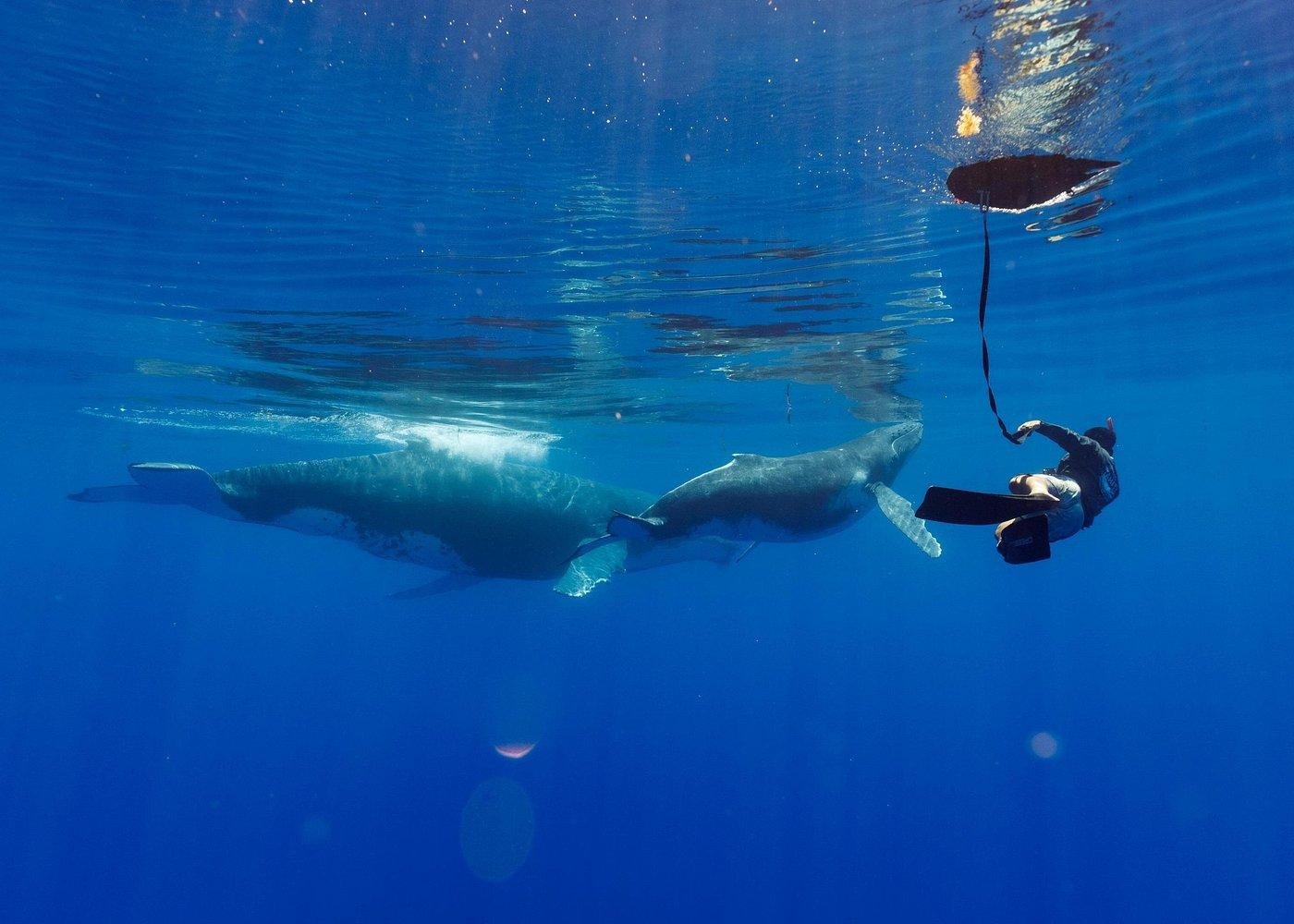
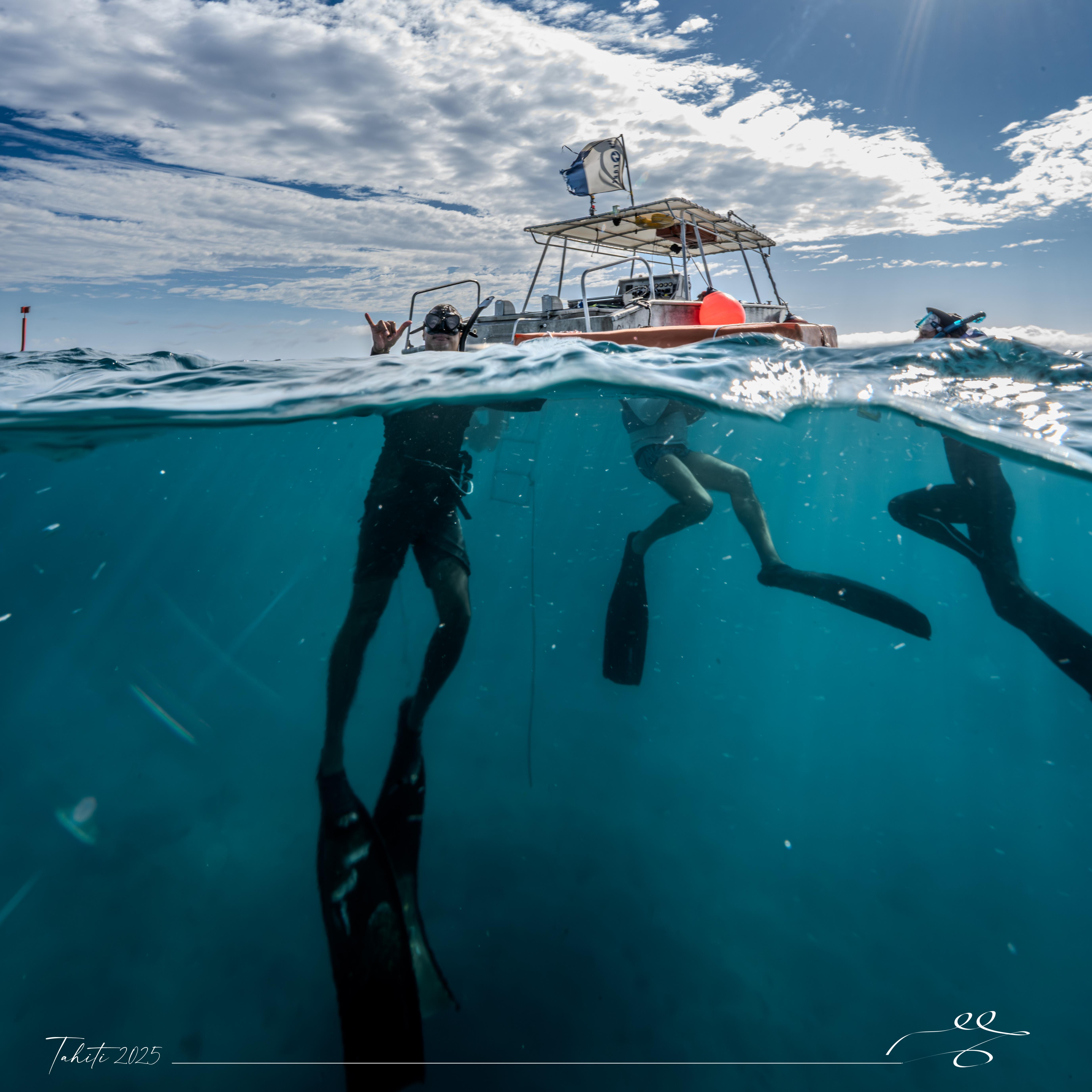
Your tahiti whale watching tickets are checked against the day's manifest, a guide fits your mask and fins, and the briefing runs through the approach rules twice: stay behind the guide, no splashing, no swimming ahead.
The boat clears the reef pass in minutes. Beyond it the water turns navy and the swell lengthens. You scan for a blow — a low white plume that hangs for a second or two — and when it comes, the engine drops to idle a hundred metres off. Nobody moves yet. You wait, listening; the hull hums with song from somewhere below.
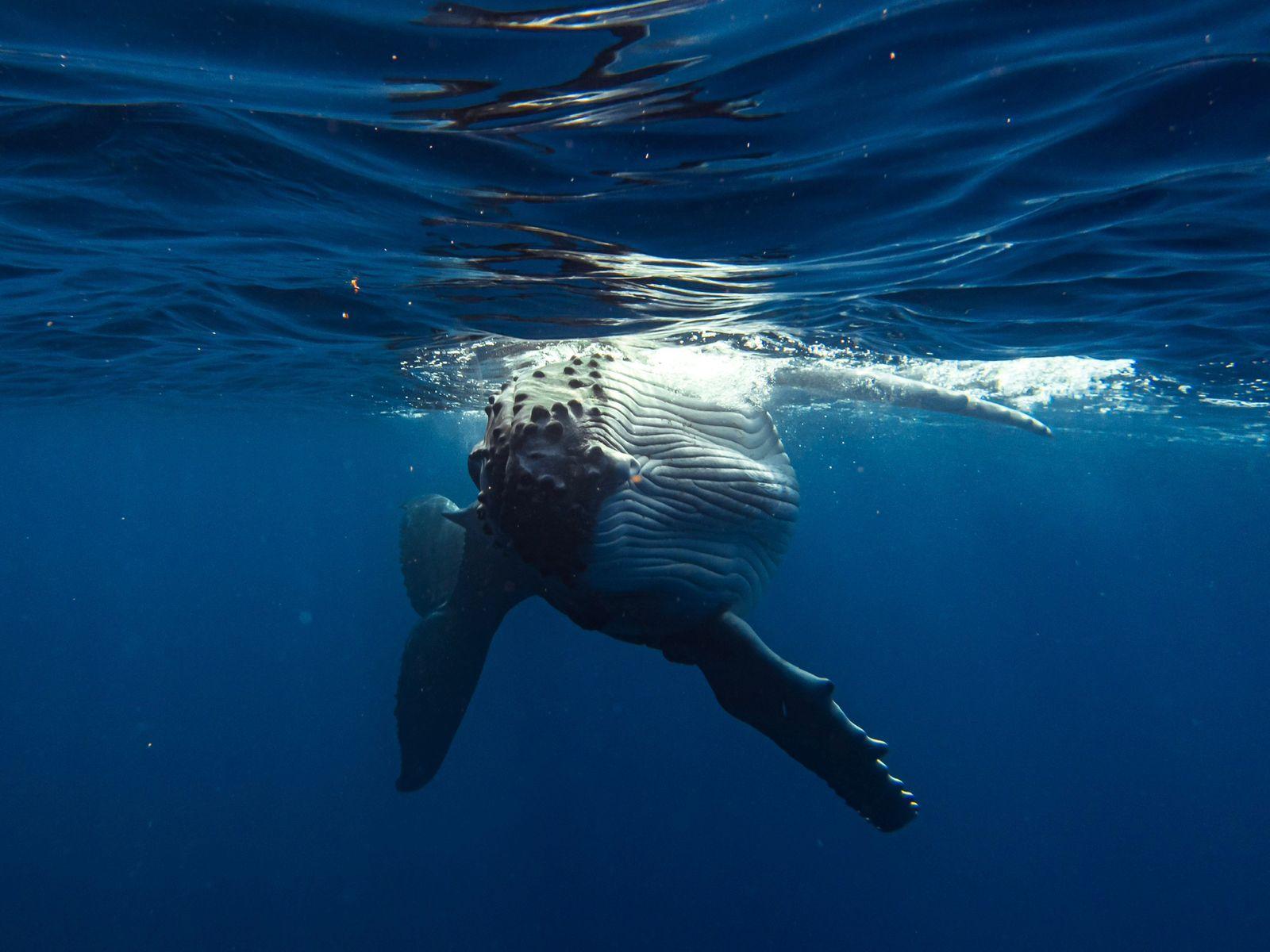
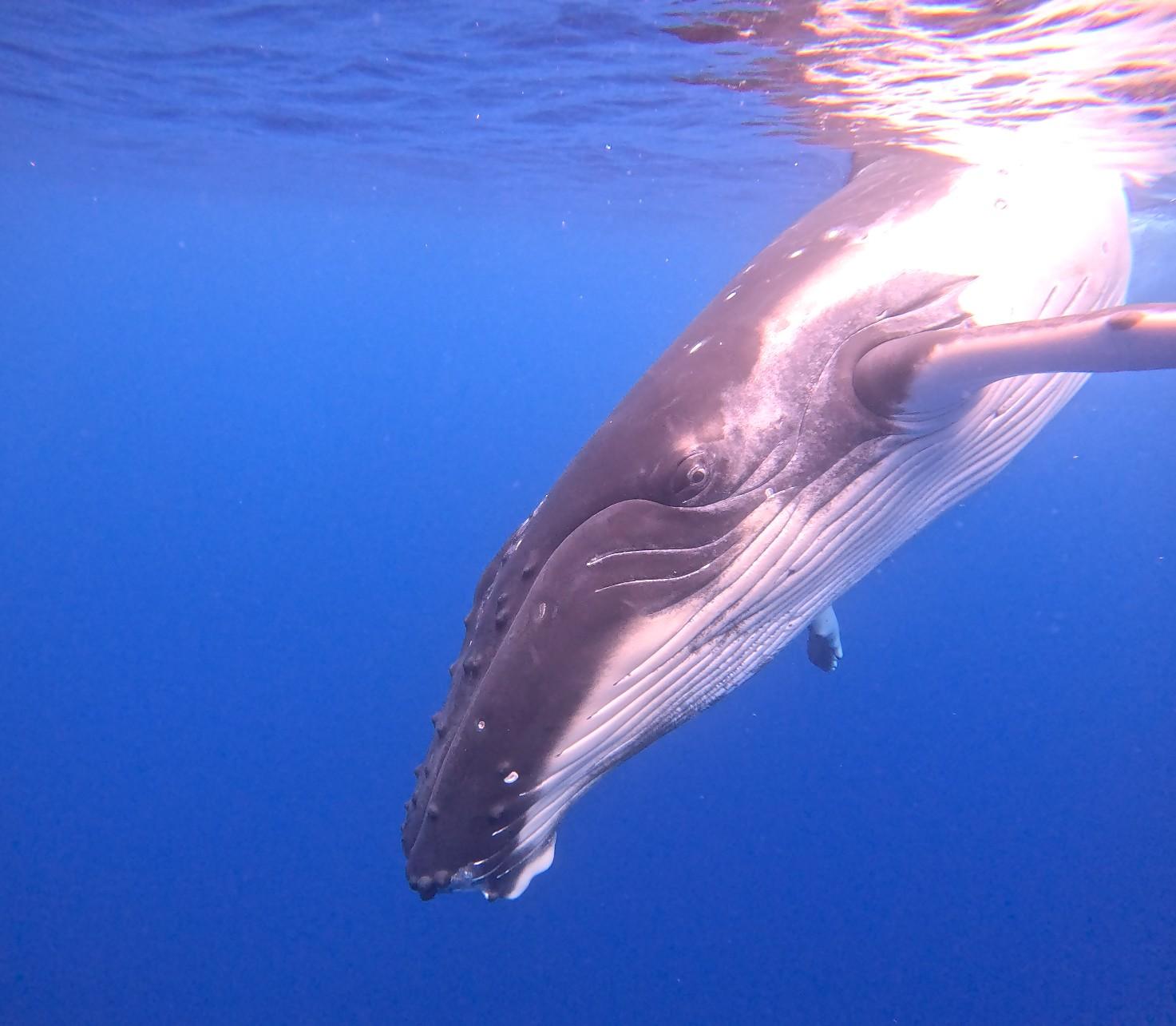
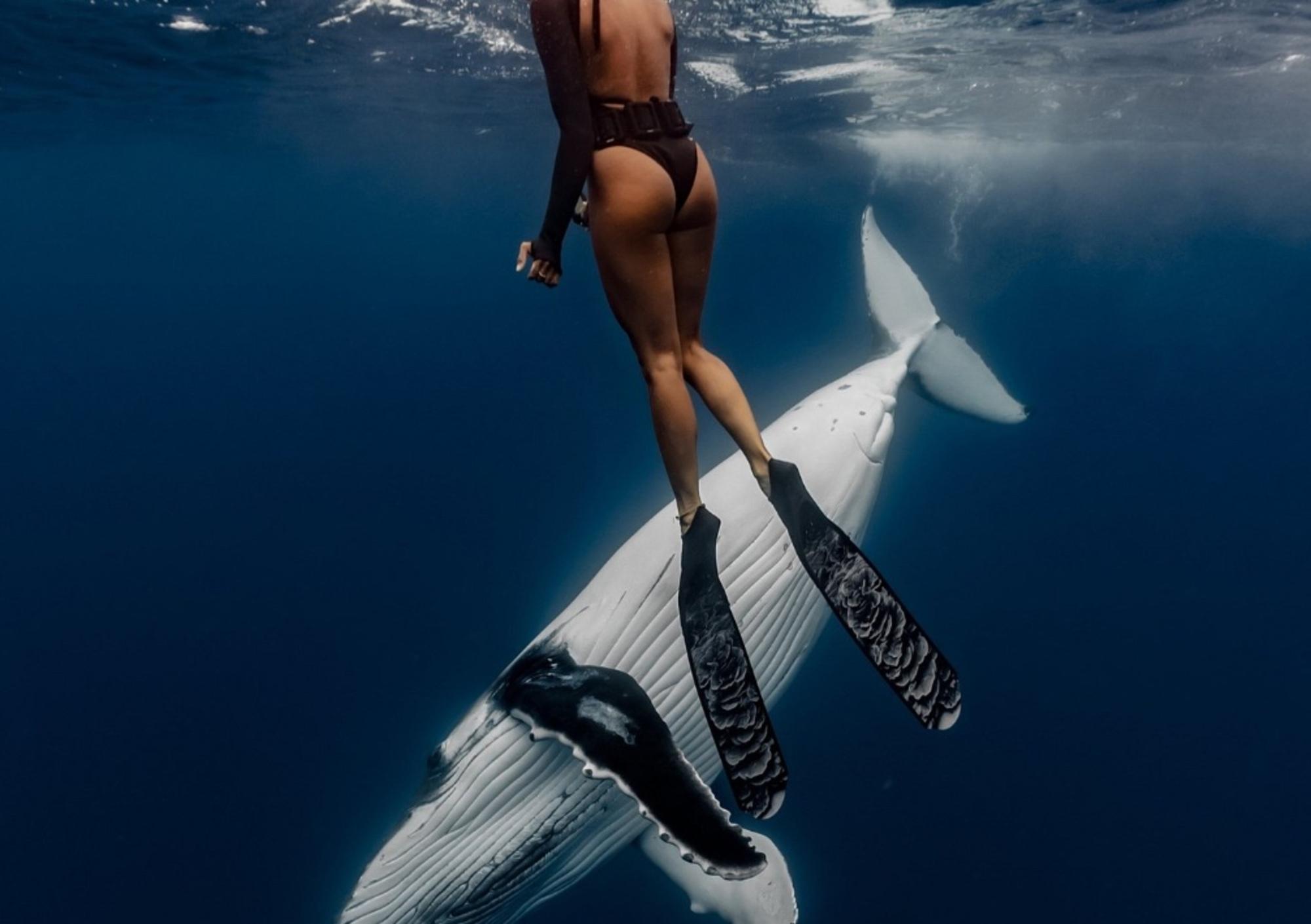
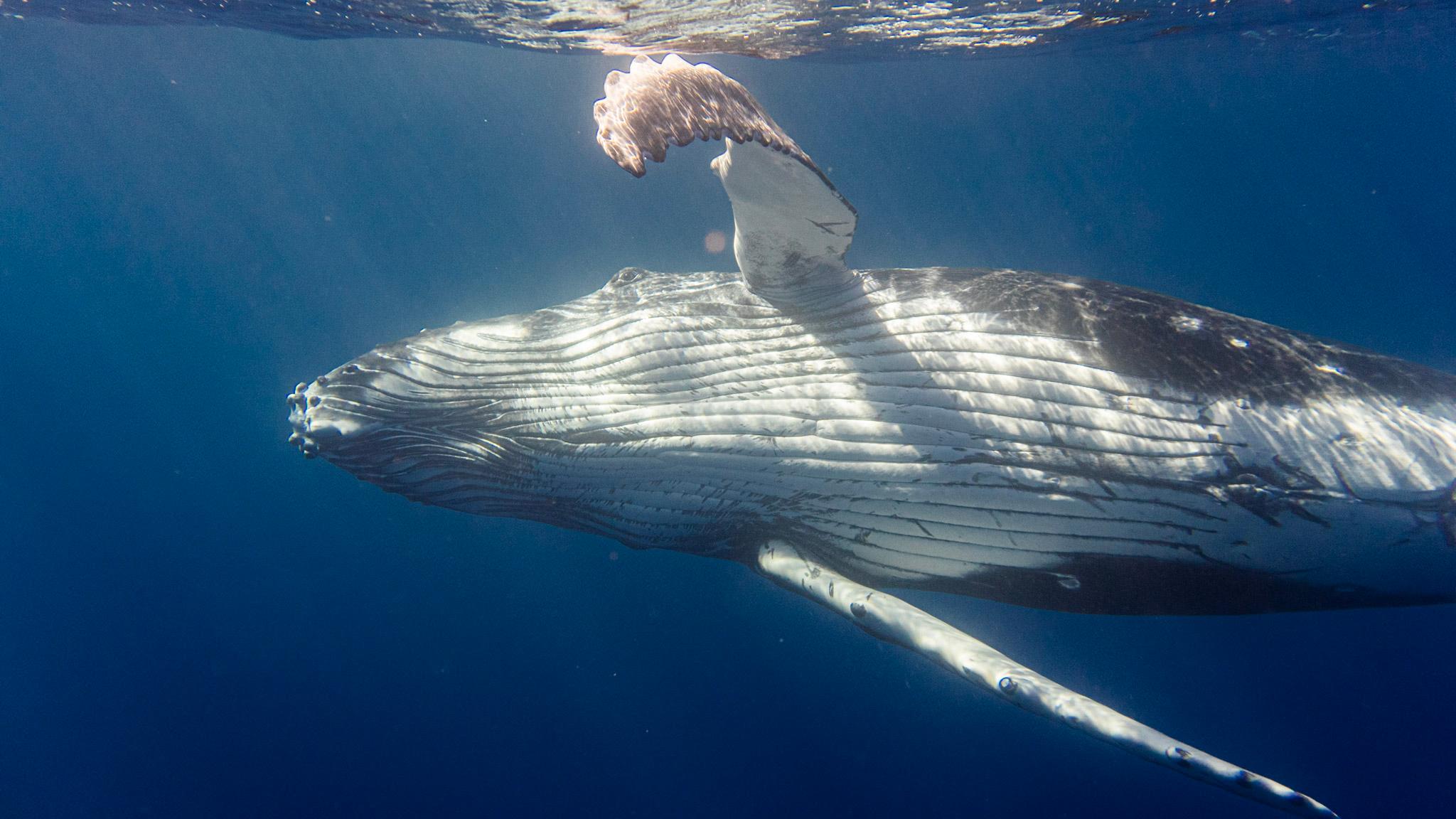
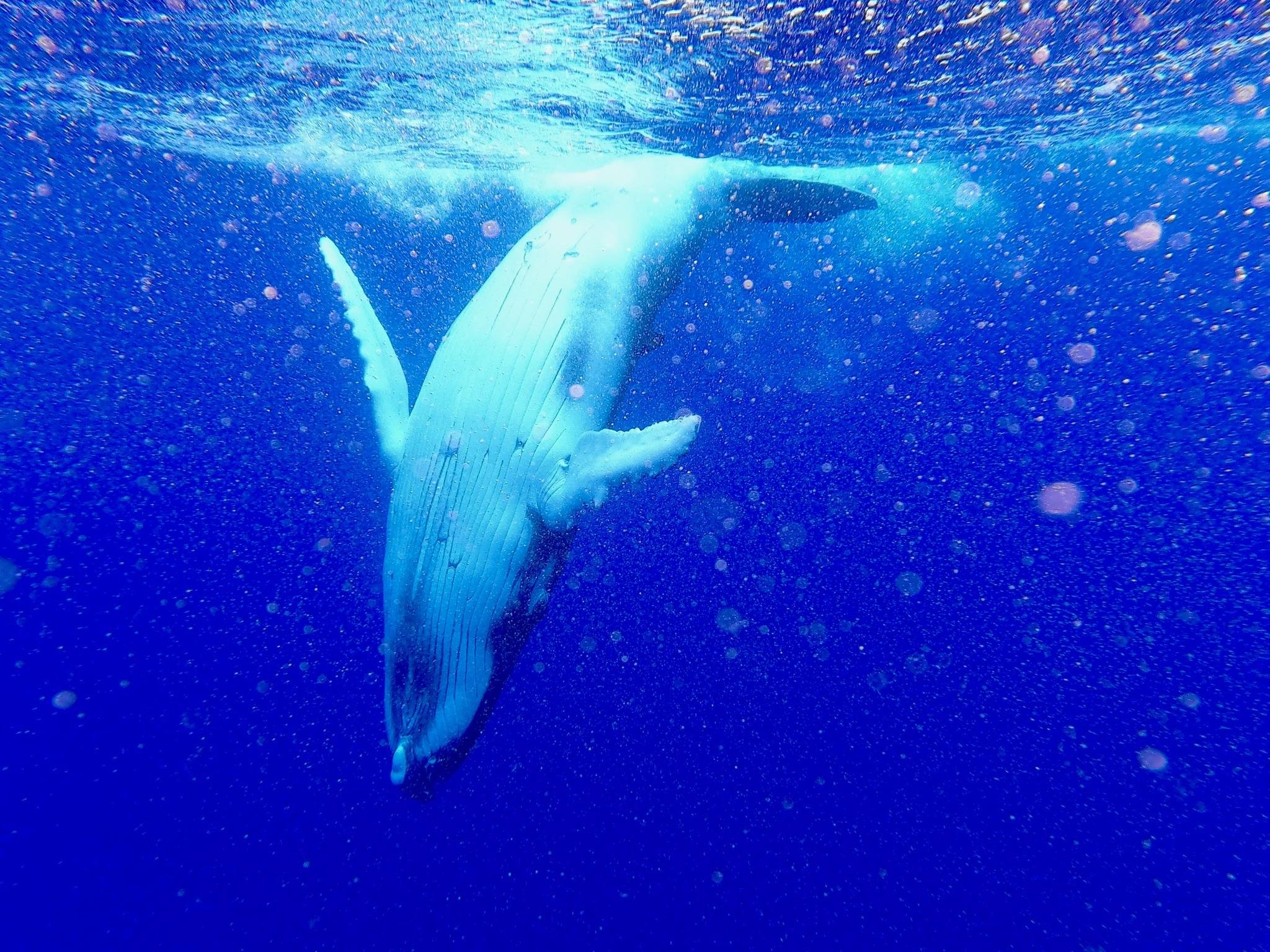
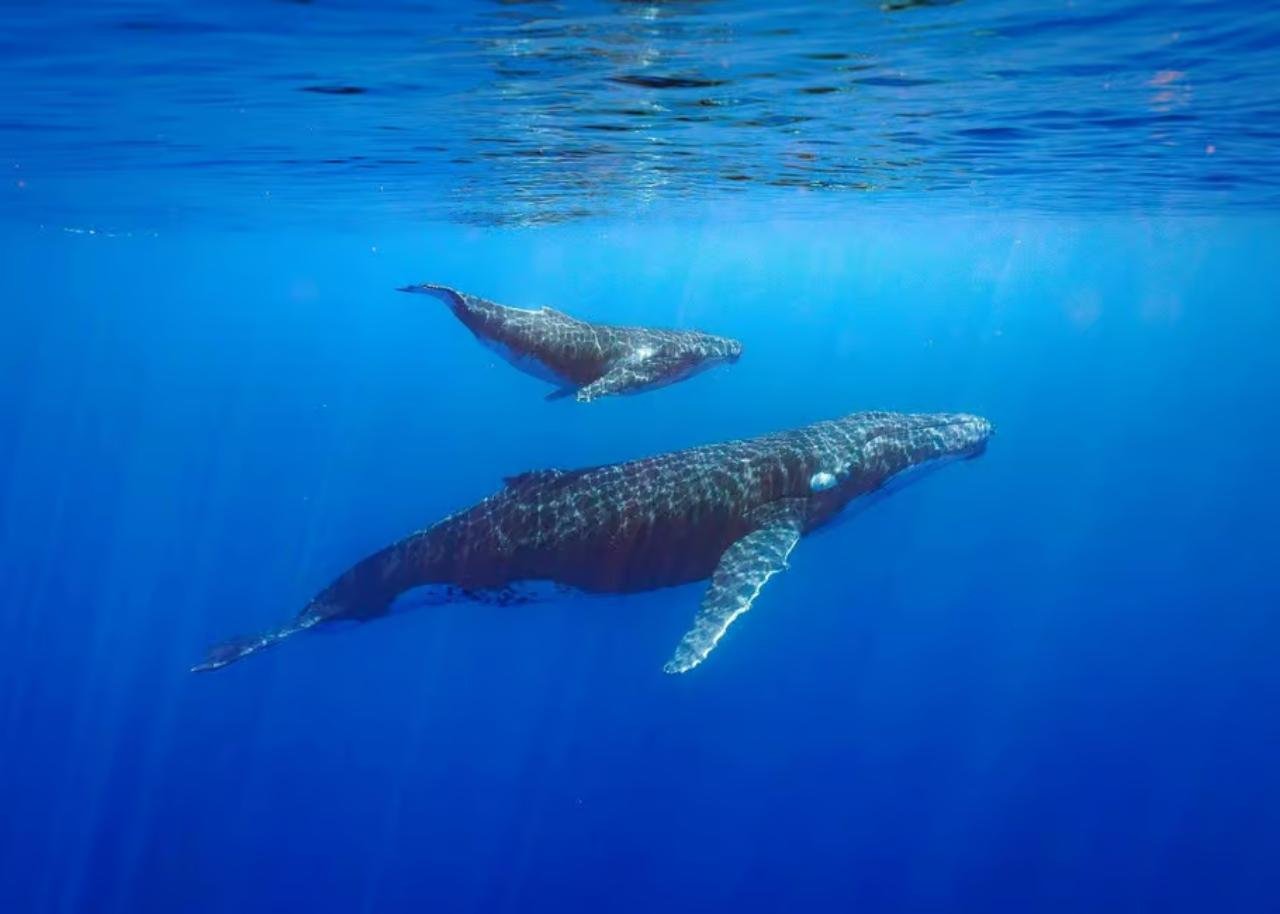
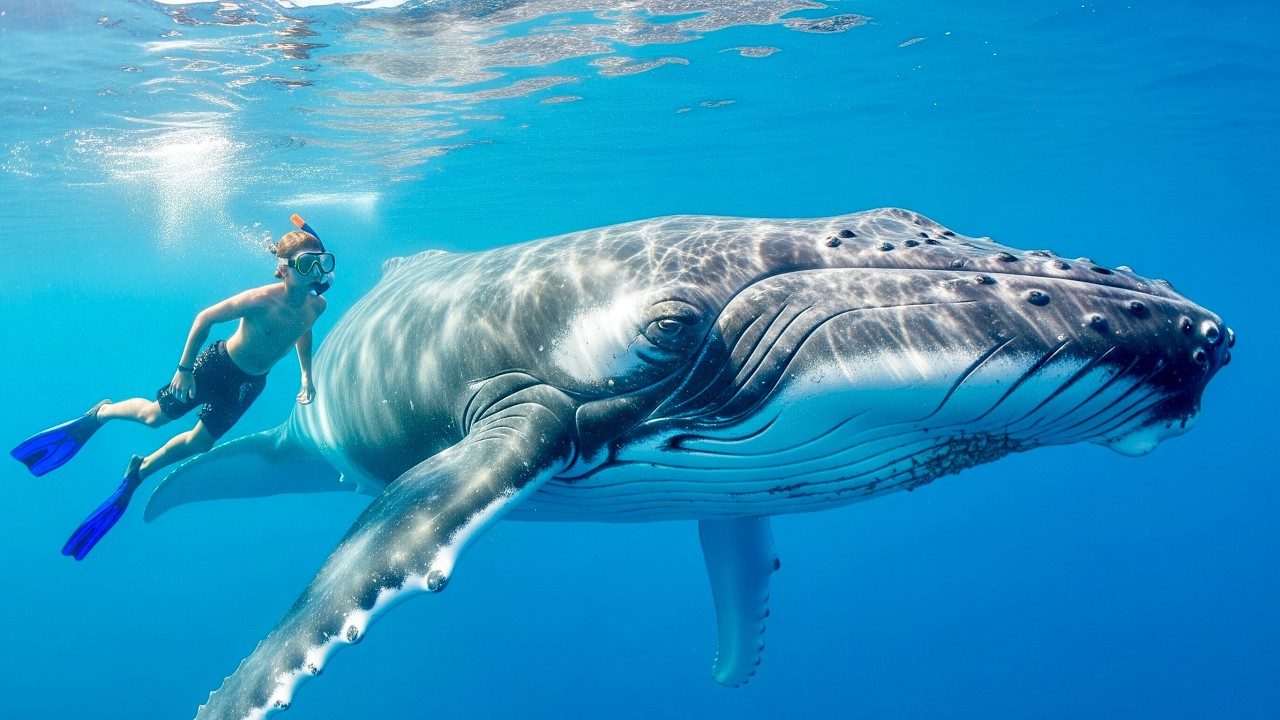
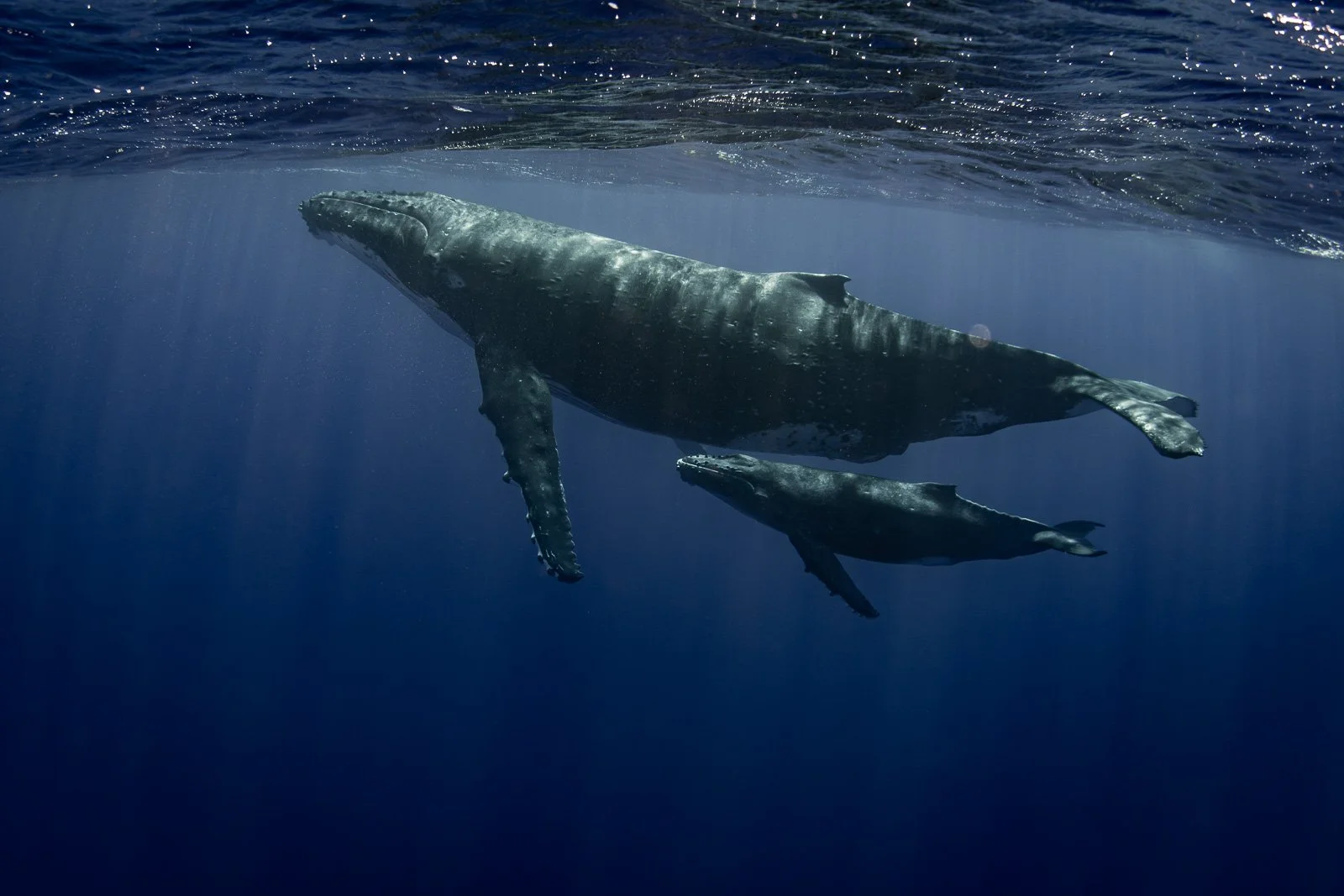
Then you slide in feet-first, one small group at a time. Below you a female hangs almost motionless with a calf tucked against her flank, its pectoral fins pale as sail canvas. The calf rises to breathe every four or five minutes; the mother, every fifteen or twenty. Back aboard you towel off, salt drying on your arms, and watch the green ridges of Tahiti Nui stack up behind the boat while the crew logs a fluke photograph, one of hundreds gathered across the tahiti whale season.
All the details about your upcoming adventure in one place
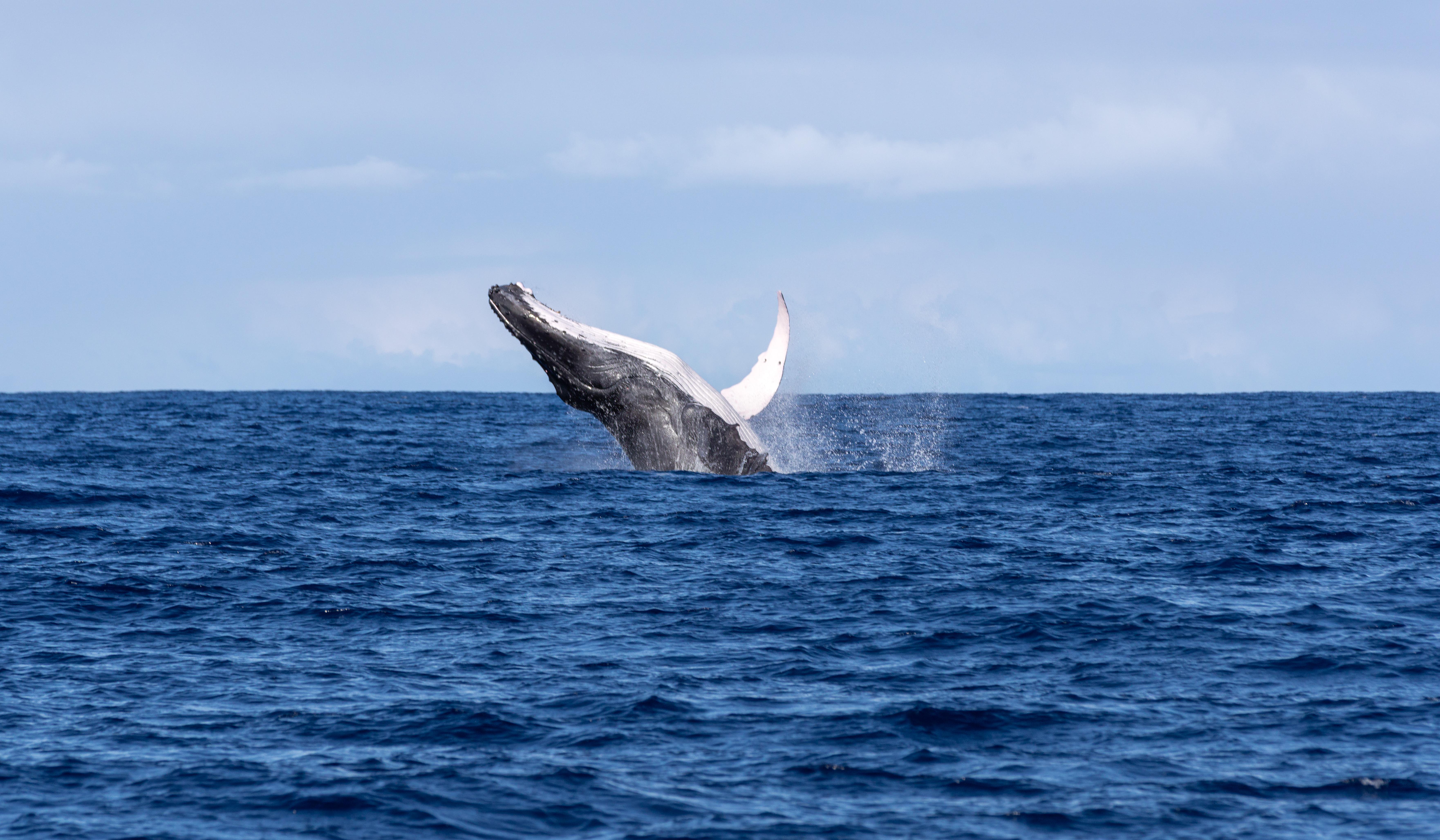
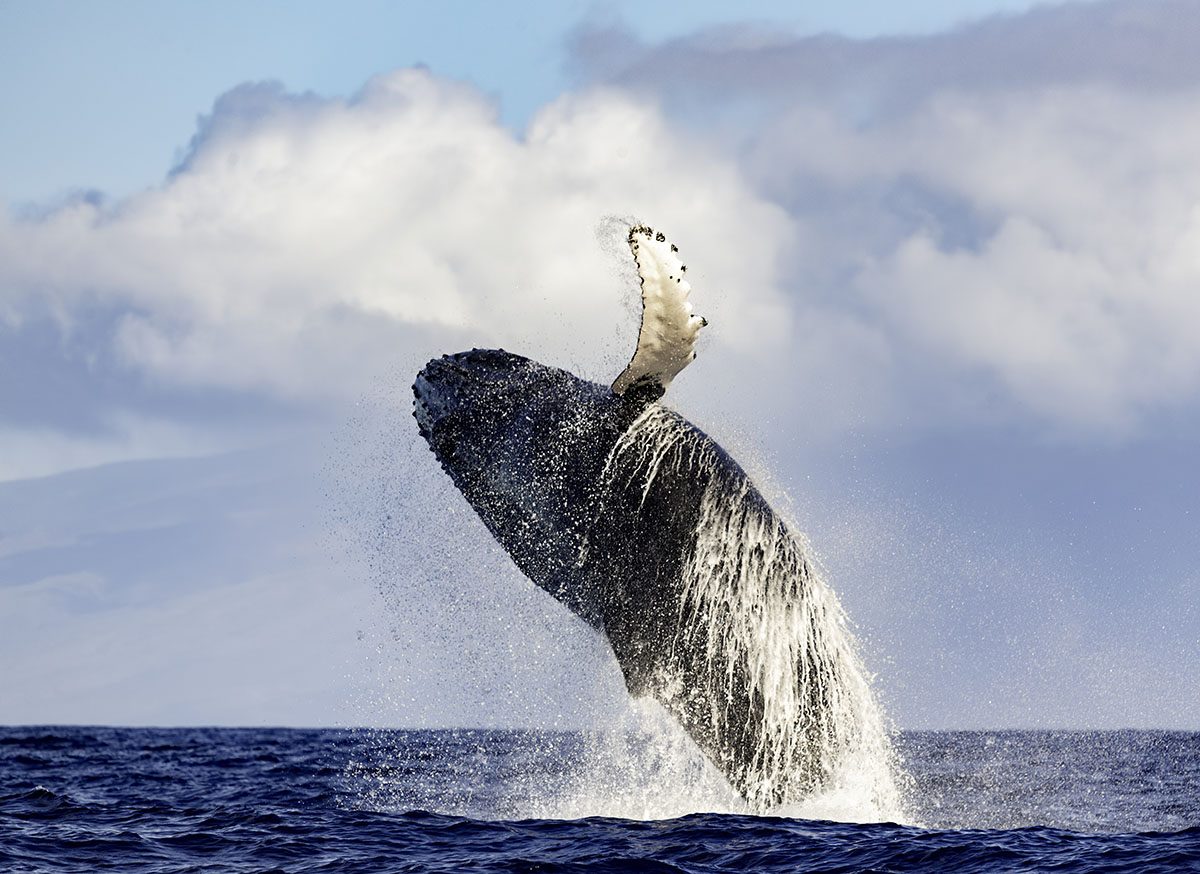
Between July and October, humpback whales migrate from Antarctica to the warm lagoons of French Polynesia to calve and nurse, and licensed tahiti whale watching boats meet them just beyond the barrier reef off Papeete. Small-boat operators follow the Marine Mammal Sanctuary code, keeping a respectful distance while naturalists explain breaching, pectoral slapping, and the long songs of the males. Most tahiti whale watching tours also cross reef passes where spinner dolphins and manta rays are common sightings.
A humpback that surfaces off Punaauia in August has crossed roughly 6,000 kilometres of open Pacific from Antarctic krill fields to reach water where it will barely feed at all.
That paradox underwrites tahiti whale watching: the animals arrive fat and leave thinner, spending their months in French Polynesia breeding, calving and singing rather than eating. Megaptera novaeangliae here belongs to the Oceania subpopulation, listed as endangered, and its numbers are counted in the low thousands rather than the tens of thousands recorded elsewhere in the Pacific.
French Polynesia declared its entire exclusive economic zone a marine mammal sanctuary in 2002, close to five million square kilometres of protected ocean and one of the largest such designations anywhere. The regulations that followed shaped how the tahiti whale season is observed today: licensed guides, capped group sizes, fixed approach distances that keep hulls and swimmers well back from mothers and calves. Operators running tahiti whale tours from the west coast, advertised locally in French as observation des baleines, work under permits issued by the territorial environment authority. Language matters too: in Tahitian the humpback is the tohorā, a presence recorded in chant and genealogy long before the first tahiti whale watching tour carried a paying passenger.
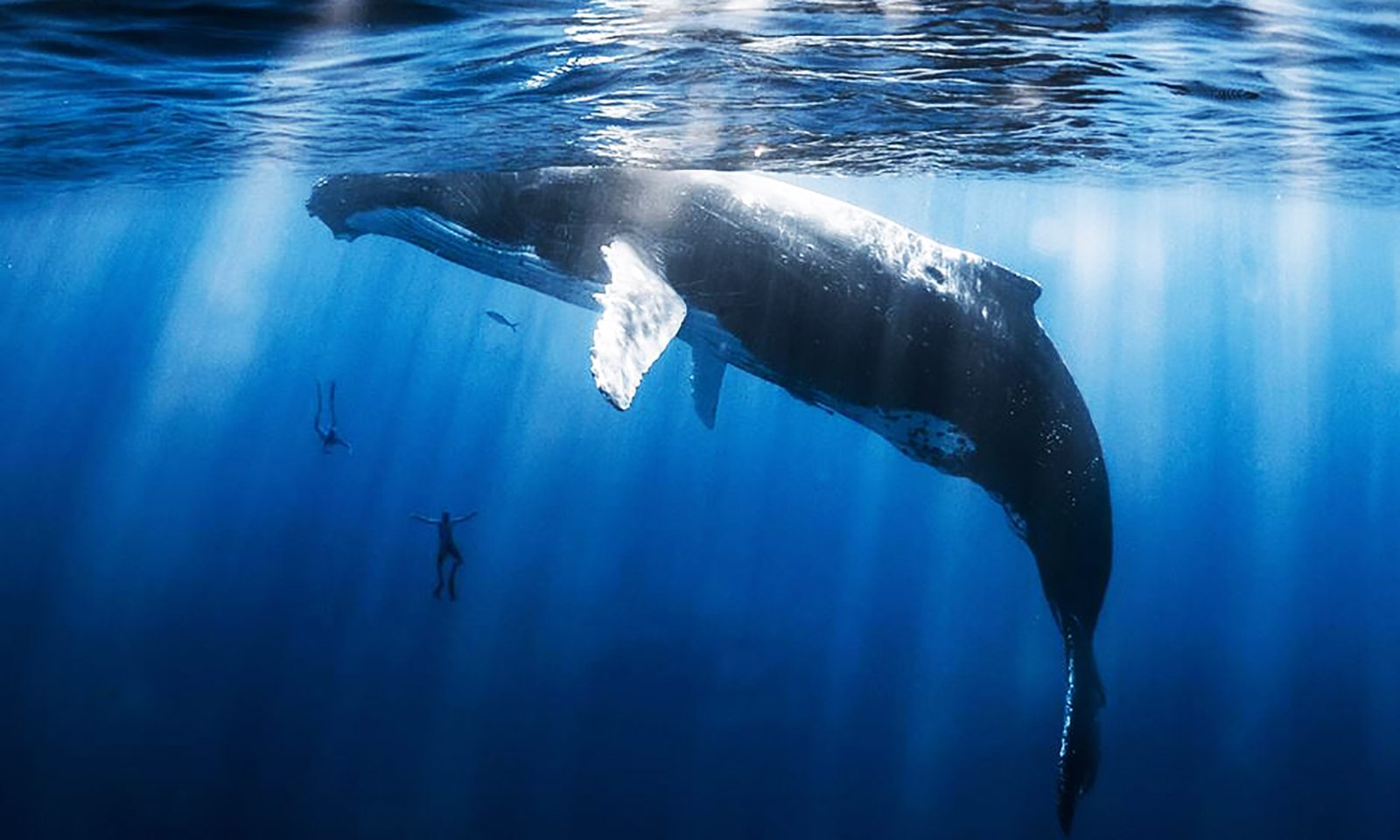
The island's bathymetry does the rest of the work. Off Paea and Punaauia the fringing reef ends abruptly and the seabed falls past a thousand metres within a few kilometres of shore, so deep water sits nearer the fishing ports than it does at most Pacific harbours. Mothers rest their calves in the calmer lee of the coast, while males hang head-down in the blue and sing, the song carrying for kilometres across the channel toward Moorea. The Tahiti Iti peninsula, steeper and far less built, holds quieter bays where the same behaviour is logged year after year.
Sanctuary status has not made the animals abundant, and the pressure now comes less from harpoons than from hulls. The number of tahiti whale watching tours permitted each season is capped, and researchers log sightings from the same boats that carry visitors, so a tahiti island whale watching experience feeds a photo-identification catalogue built over decades. Every fluke carries a different pattern of scars and pigment. Matched across years, those patterns trace migrations no single voyage could ever reveal.

The animals arrive fat and leave thinner, singing in water where they will barely feed.
Wear light, quick-drying clothing and a swimsuit for potential water entry. Bring a windbreaker for the boat ride as ocean breezes can be cool even in the tropics.
Only small, waterproof dry bags are permitted on board due to limited space. All personal items should be secured to prevent them from falling overboard.
Waterproof camera housings or action cameras with straps are recommended for high-quality aquatic imagery. Always respect marine distance regulations when capturing photos of cetaceans.
Children must be supervised at all times and fit safely into provided life jackets. Families should inquire about boat-specific age minimums before booking a tahiti whale watching tour.
Most vessels are not wheelchair accessible due to the nature of boarding from small piers or beaches. Guests must be able to step onto moving boats independently.
Most operators provide light snacks and water on board during longer excursions. Bringing a reusable water bottle is encouraged to minimize plastic waste in the marine environment.
Opening Hours
07:30–17:30
Address
Various departure points including Paea fishing port and Punaauia, Tahiti
Accessibility
Varies by boat operator
Best Arrival
07:30–12:00
Storage
Not available on vessels
Region
Tahiti marine zones
Car · 60 min · Rental cost varies
Rental vehicles provide the most flexibility for reaching remote piers
Taxi · 40 min · Variable rates
Available from Papeete center to major western docks
Cancellations made at least 48 hours before the scheduled tahiti whale watching departure are eligible for a full refund. As this is a commercial tour, no entrance fee of 0 XPF applies, though operator-specific deposit policies remain in effect.
Recommended time
Half a day
Most tahiti whale watching excursions require a half-day commitment to allow for travel to marine habitats and surface observation time. The best arrival window is 07:30–12:00, as early morning offers the best chance of calm sea conditions and whale sightings. While you may need to secure your tahiti whale watching tickets well in advance, departing early helps avoid the rising winds that often develop in the afternoon. Travelers should allocate extra time for transit to departure points like the Paea fishing port or Punaauia, Tahiti, for a smooth tahiti whale watching tour experience.
Crowd levels through the day
Weather · crowds · average price — dots go green to amber to red as each metric rises.
Humpback whales migrate to these waters for mating and calving. This peak window offers the highest probability of sightings during calm seas.
Reservations for tahiti whale watching tickets should be made weeks in advance during the peak August season.
Call your operator the evening before to confirm the sea status for your tahiti whale watching excursion.
Planning a tahiti whale watching trip requires careful preparation to ensure children remain comfortable and safe on the open ocean. Families should prioritize choosing operators who provide appropriate safety equipment and briefings for younger participants.
Consult your pediatrician about motion sickness prevention before booking your tahiti whale watching tour, as open-water conditions can be unpredictable.
Confirm with your chosen provider that they carry child-sized personal flotation devices, as these are mandatory for all minors during tahiti whale watching tours.
Most boat operators suggest this activity for school-aged children who can follow safety instructions and sit still during encounters with marine mammals.
Pack high-SPF reef-safe sunscreen, wide-brimmed hats, and polarized sunglasses to protect children from intense glare and reflection off the Pacific waters.
Boats rarely have food facilities, so bring non-perishable snacks and plenty of water to keep children hydrated while waiting for humpback whale sightings.
Real experiences from real travelers
We left Punaauia just after seven and found a mother and calf inside forty minutes, close enough that we could hear the calf breathing. The guide made us wait in the water without swimming toward them, which felt right. Water was warm enough that I stopped noticing it after five minutes.
Booked tahiti whale watching after a friend insisted, and the boat only carried eight of us so nobody was fighting for space. Saw a male singer below us and could feel the song through my chest, which nobody had warned me about. Bring a rash guard, the sun on the boat is heavier than it looks.
The crew read the swell carefully and moved us to the leeward side when it picked up around ten. We had three separate sightings, two of them mothers with calves resting near the surface. Moorea sitting on the horizon the whole time made the boat ride worth it on its own.
Our first two hours were empty water and I started to wonder, then a pod surfaced maybe thirty meters off the bow. The peira observation approach means nobody chases the animals, so you drift and wait. Only reason for four stars is that the boat had no shade at all in the middle of the day.
We compared several tahiti whale watching tours before choosing this one and the small group size was the deciding factor. Guide explained the migration from Antarctica and why the mothers use the lee of Tahiti Nui as a nursery. Seeing a fluke go down against the volcanic ridgeline is the image I kept.
Our guide grew up in Papeete and knew exactly which stretch outside the reef pass the whales favour. We stayed in the water twenty minutes with a resting pair while she counted breaths out loud so we would know when they might move. Sea was glassy at eight in the morning, choppier by eleven.
A tahiti whale watching tour was the one thing I refused to skip in French Polynesia and the humpback song underwater justified it. Visibility must have been thirty meters and the blue just kept going down. Take seasickness tablets before you board, not after.
Eight passengers, two guides, and a briefing on the dock about keeping distance and never blocking the animals' path. We got two water entries and one long surface watch where a calf kept rolling on its side near the boat. The observation des baleines rules are strict here and that is clearly why the whales stay relaxed.
Left the marina before sunrise and the light on the west coast was still soft when the first blow appeared. Guide spotted the spray long before any of us did. If you are booking tahiti whale watching tickets, ask about group size first because that changed our whole experience.
We went outside the main humpback window and saw one distant blow in four hours, which is nobody's fault but worth knowing. Crew were straightforward about the odds before we paid and offered honest advice. The coastline views toward the Tahiti Iti peninsula were still good compensation.
Everything you need to know for your journey
The opening hours are 07:30–17:30 daily.
The entrance fee is 0 XPF, though commercial tour prices apply.
The best time to book is during the peak season from August to October for optimal sightings.
Yes, families are welcome, but please check age requirements with your specific operator.
Light snacks are provided, but you may bring your own in non-glass containers.
You can arrive by car or taxi at departure points like Paea fishing port or Punaauia.
Yes, photography is allowed and encouraged, provided you follow safety rules.
Cancellations due to weather usually receive a full refund or rebooking option from your operator.
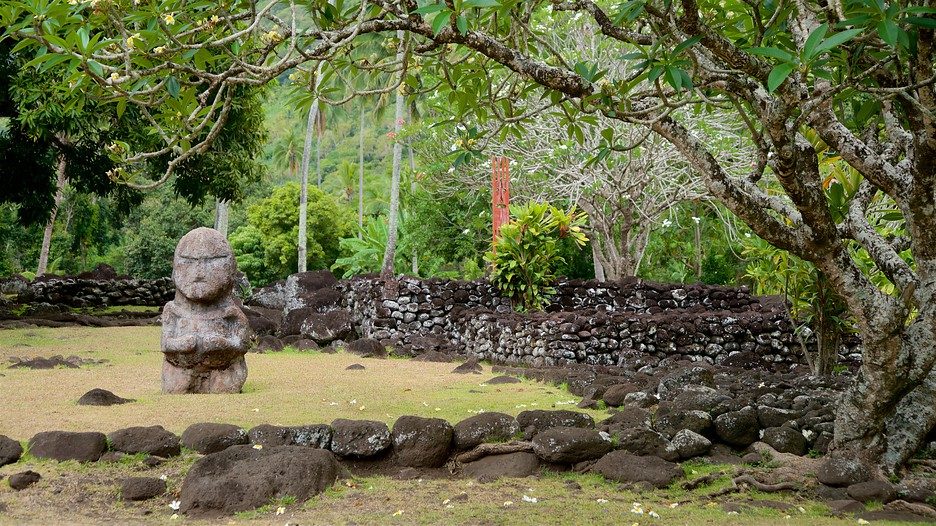
Yes, you can visit the Marae Arahurahu temple site nearby.
A restored ancient temple site with stone structures
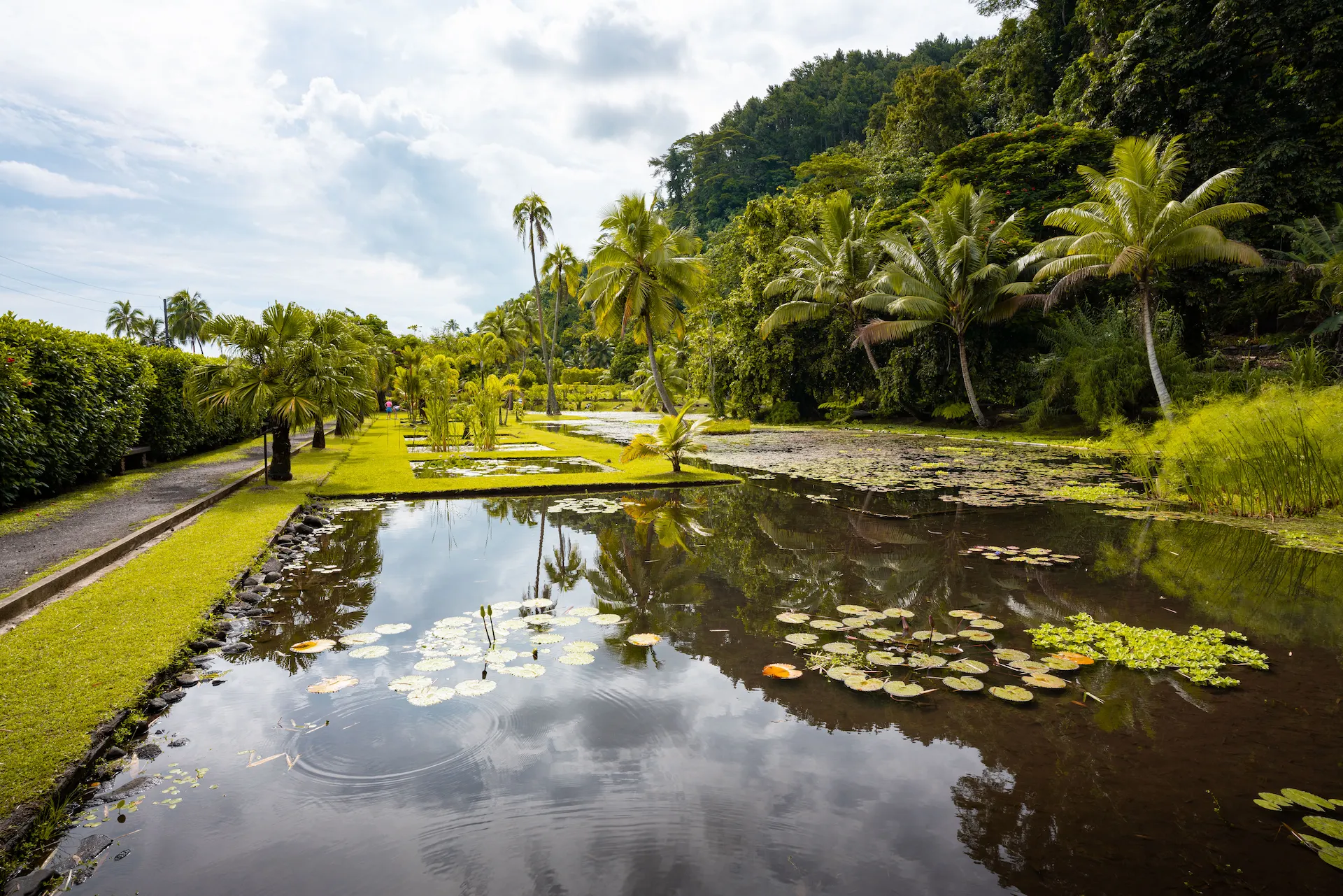
Lush botanical grounds featuring walking trails and waterfalls
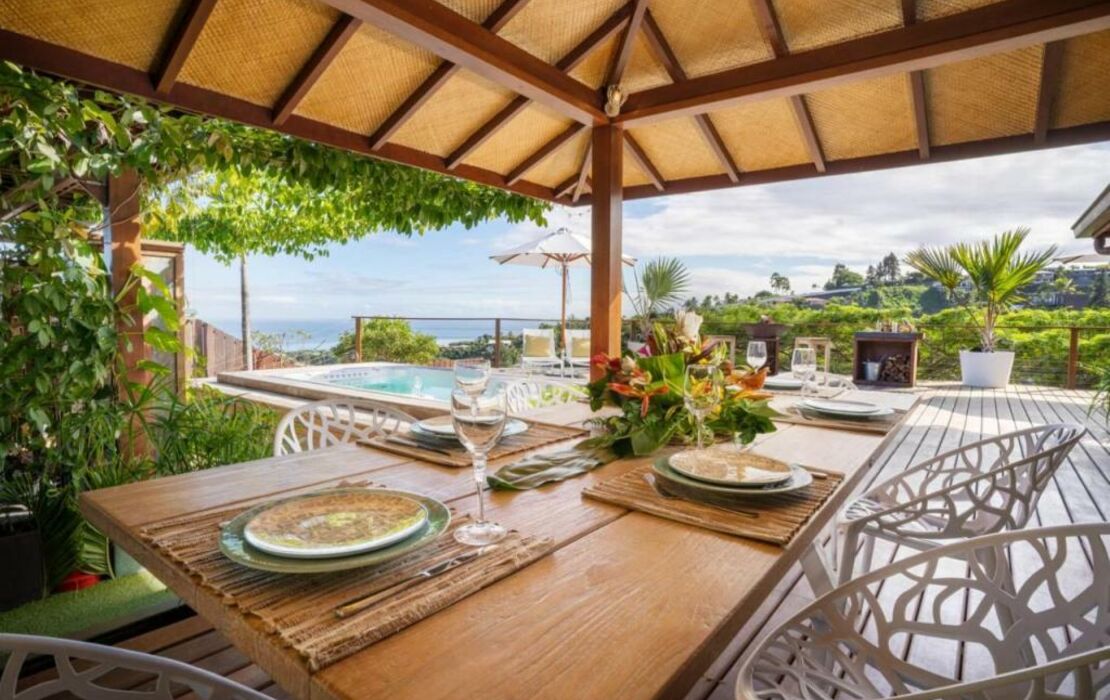
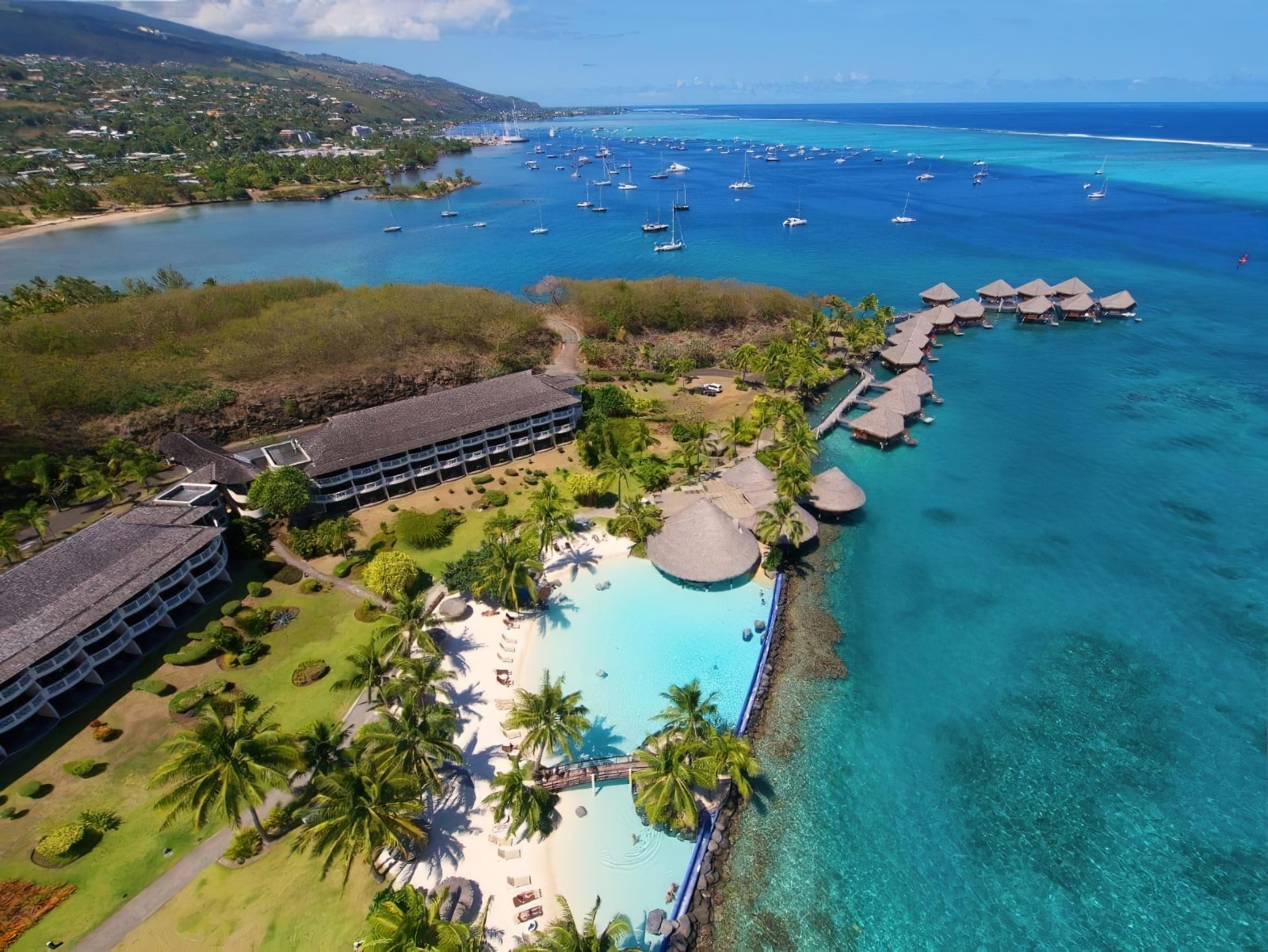
High-end stays located near the marina
Centralized lodging with easy transport access
Join thousands of happy travelers who have discovered this incredible experience
Book Your Experience Now